
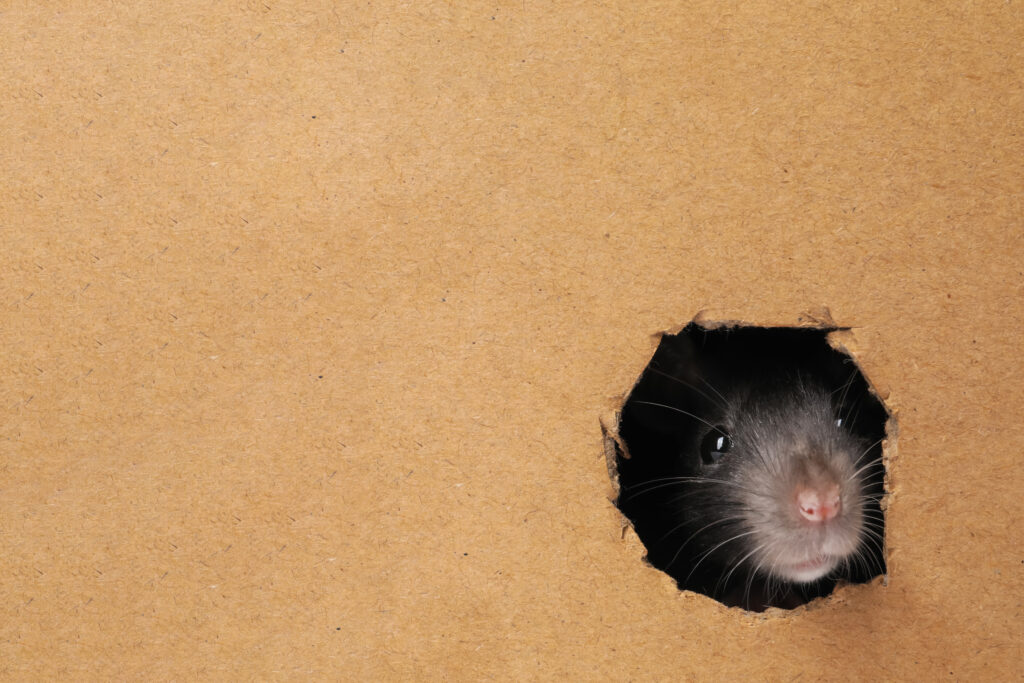
It usually starts at night. A scratching sound above the ceiling. A scurrying. Sometimes a thump heavy enough to wake you up.
If you’re hearing noises in your attic in Maple Ridge, Pitt Meadows, or anywhere in the Fraser Valley, something is living up there. The question is what — and the answer determines how you deal with it.
Identifying Attic Pests by Sound
Light Scratching and Scurrying: Mice
Mice are the most common attic invaders in BC homes. They’re light enough that you’ll hear faint scratching, particularly at night when they’re active. The sound is fast and quick — short bursts of movement followed by silence.
Mice typically enter attics through gaps as small as 6 mm (about the diameter of a pencil). Common entry points include where rooflines meet walls, around plumbing and electrical penetrations, and through deteriorated soffit vents.
Heavier Scratching and Running: Rats
Rats produce noticeably louder sounds than mice. You’ll hear running along joists, gnawing (a distinct rhythmic sound), and sometimes squeaking. Norway rats and roof rats are both common in the Fraser Valley. Roof rats in particular are excellent climbers and frequently nest in attics.
If you hear something heavier than a mouse but lighter than a raccoon, rats are the most likely culprit.
Loud Thumping and Heavy Movement: Raccoons
Raccoons in your attic sound like a person walking around. They’re heavy (5–12 kg), strong, and not subtle. You might also hear vocalizations — chittering, purring, or growling — especially if a female has had kits up there.
Raccoons are common in Maple Ridge and Pitt Meadows due to the proximity of forested and agricultural areas. They typically enter through damaged soffits, loose fascia boards, or roof vents they’ve pried open.
Rapid Scurrying and Chattering: Squirrels
Squirrels are active during the day, which is a key identifier. If you hear fast movement in your attic in the morning and late afternoon — but not at night — squirrels are likely. They produce a rapid, light scurrying sound and sometimes audible chattering.
Eastern grey squirrels and Douglas squirrels both nest in attics in the Fraser Valley when they find access.
Fluttering and Chirping: Birds or Bats
Birds (starlings, sparrows) produce fluttering wing sounds and chirping. They usually enter through gaps in soffits or uncovered vents. Bats are quieter — you might hear faint squeaking or rustling, particularly at dusk when they leave to feed.
The Damage Attic Pests Cause
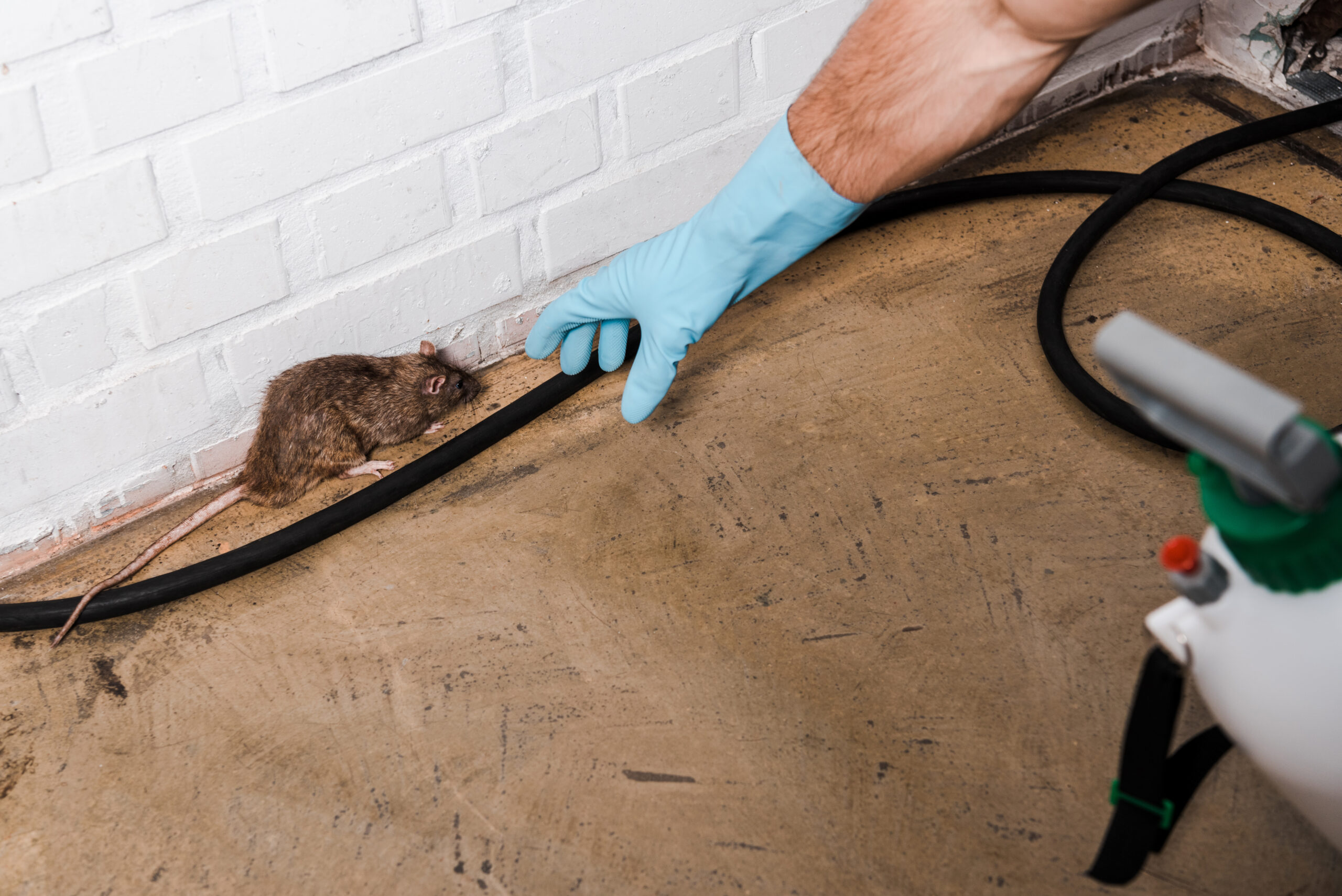
Attic pests aren’t just noisy. They cause real, expensive damage:
Insulation Damage
Rodents and raccoons compress, shred, and contaminate insulation with urine and droppings. Damaged insulation loses its R-value, which means higher heating costs. In severe cases, insulation replacement can cost $2,000–$8,000+ depending on attic size.
Wiring Damage (Fire Risk)
Rats and mice gnaw on electrical wiring. This is not a minor concern — rodent-chewed wiring is a documented cause of house fires. If you have rodents in your attic and your home is more than 20 years old, having wiring inspected after the rodents are removed is worth considering.
Structural Damage
Raccoons can tear through soffits, fascia boards, and even roof decking to create or enlarge entry points. Their strength is significant — they can pull apart materials that seem secure. Squirrels gnaw through wood, including structural beams over time.
Health Hazards
Rodent droppings and urine in attic insulation can harbour hantavirus (rare in BC but documented), and raccoon feces can contain roundworm (Baylisascaris) eggs that are dangerous to humans. Bird droppings accumulate and can harbour histoplasmosis spores. None of these are everyday risks, but cleanup should be done carefully with proper protection.
Why Traps Alone Don’t Work
Setting a few snap traps in the attic might catch a mouse or two, but it won’t solve the problem. Here’s why:
They’re getting in somewhere. If you don’t find and seal the entry points, new animals will follow the same path. Rodents leave scent trails that attract others.
There are more than you think. If you’re hearing one mouse, there are likely several. If you see one rat, there could be a dozen using your attic. Trapping without exclusion is an endless cycle.
Some pests can’t be trapped. Raccoons and squirrels require humane live removal and one-way doors — not traps.
The only permanent solution is exclusion: identifying and sealing every entry point so no new animals can get in, combined with removal of the ones already inside.
How Canadian Pest Control Handles Attic Pests
Our attic pest removal follows a proven process:
- Inspection — We access the attic and examine insulation, wiring, entry points, and signs of activity (droppings, nesting material, gnaw marks, grease marks). We identify the species and estimate population size.
- Entry point identification — We inspect the exterior of the home from ground to roofline, identifying every gap, damaged vent, soffit opening, and utility penetration where pests are entering.
- Removal — For rodents, we use professional trapping and baiting. For wildlife (raccoons, squirrels), we use humane one-way exclusion doors that allow animals to leave but not re-enter.
- Exclusion — Once all animals are out, we seal every entry point with appropriate materials — steel mesh, metal flashing, hardware cloth, or expanding foam backed with steel wool. The goal is permanent prevention.
- Cleanup recommendation — If contamination is significant, we’ll recommend insulation removal and replacement and can coordinate that work.
For more on our rodent-proofing approach, see our complete guide to rodent exclusion in Maple Ridge. For wildlife-specific issues, our guide to wildlife removal in Pitt Meadows and Maple Ridge covers raccoons, squirrels, and skunks in detail.
Don’t Ignore Attic Noises
Every week you wait, the problem gets worse. Rodent populations grow, damage accumulates, and entry points get larger. What starts as one mouse can become a full infestation within a couple of months.
If you’re hearing noises in your attic, call Canadian Pest Control at (778) 598-7378 or contact us online. We’ll identify what’s up there, get it out, and make sure it doesn’t come back.
We serve Maple Ridge, Pitt Meadows, Coquitlam, Port Coquitlam, Mission, Langley, and the Fraser Valley.