

Living in Pitt Meadows and Maple Ridge means living close to nature. The farmland, wetlands, and wooded areas that make this part of the Lower Mainland so appealing also bring wildlife right to your doorstep — and sometimes into your attic, under your deck, or through your garbage bins.
Raccoons, skunks, and squirrels are the three most common wildlife nuisances for homeowners in the area. While they’re a natural part of the local ecosystem, they become a serious problem when they move into your home, damage your property, or create health risks for your family and pets. This guide covers how to identify wildlife issues, when to call for professional wildlife removal in Pitt Meadows and Maple Ridge, and what to expect from the process.
Raccoons: Smart, Destructive, and Persistent
Raccoons are arguably the most problematic wildlife species for homeowners in Pitt Meadows and Maple Ridge. They’re intelligent, dexterous, and strong enough to tear open soffit panels, pry off vent covers, and rip apart roofing materials.
Where Raccoons Nest
- Attics — raccoons commonly enter through damaged soffits, roof vents, or gaps where the roofline meets the fascia
- Under decks and porches — the sheltered space beneath a raised deck is a favorite denning site
- Chimneys — uncapped chimneys provide warm, protected shelter
- Sheds and garages — particularly if doors are left open at night
Damage They Cause
Raccoons don’t just take up residence — they renovate. In attics, they tear apart insulation, chew through wiring, and use specific areas as latrines. Raccoon feces can contain Baylisascaris procyonis (raccoon roundworm), a parasite that’s dangerous to humans and pets. Their urine saturates insulation and can cause mold growth and structural wood damage.
Outside, raccoons destroy gardens, raid chicken coops, tip over garbage cans, and dig up lawns looking for grubs.
Signs of Raccoon Activity
- Heavy thumping or walking sounds in the attic, especially at night
- Damaged soffit, fascia, or roof vents
- Overturned garbage bins with scattered contents
- Large droppings (similar in size to dog feces) on the roof, deck, or near den entrances
- Strong urine smell in the attic or crawl space
Skunks: The Odor Problem Under Your Deck
Skunks are less destructive than raccoons but come with their own signature issue — the spray. A skunk’s defensive spray can travel up to 15 feet and the odor can linger for weeks. For homeowners in Maple Ridge, skunks commonly den under decks, porches, sheds, and concrete steps.
Why Skunks Move In
Skunks are attracted to properties that offer:
- Shelter — gaps under decks, porches, and low-clearance structures
- Food — pet food left outside, fallen fruit, accessible garbage, and grubs in the lawn
- Water — birdbaths, pet water bowls, and leaky outdoor faucets
Problems Skunks Create
Beyond the obvious odor risk, skunks dig cone-shaped holes in lawns while foraging for grubs. They can also carry rabies (though it’s rare in BC), and their burrowing can undermine foundations and concrete pads.
Signs of Skunk Activity
- Strong musky odor near your home, especially in the evening
- Cone-shaped holes in the lawn (3-4 inches deep)
- Tracks with five toes and visible claw marks
- Sightings at dusk or dawn — skunks are crepuscular (most active at twilight)
Squirrels: Small but Surprisingly Damaging
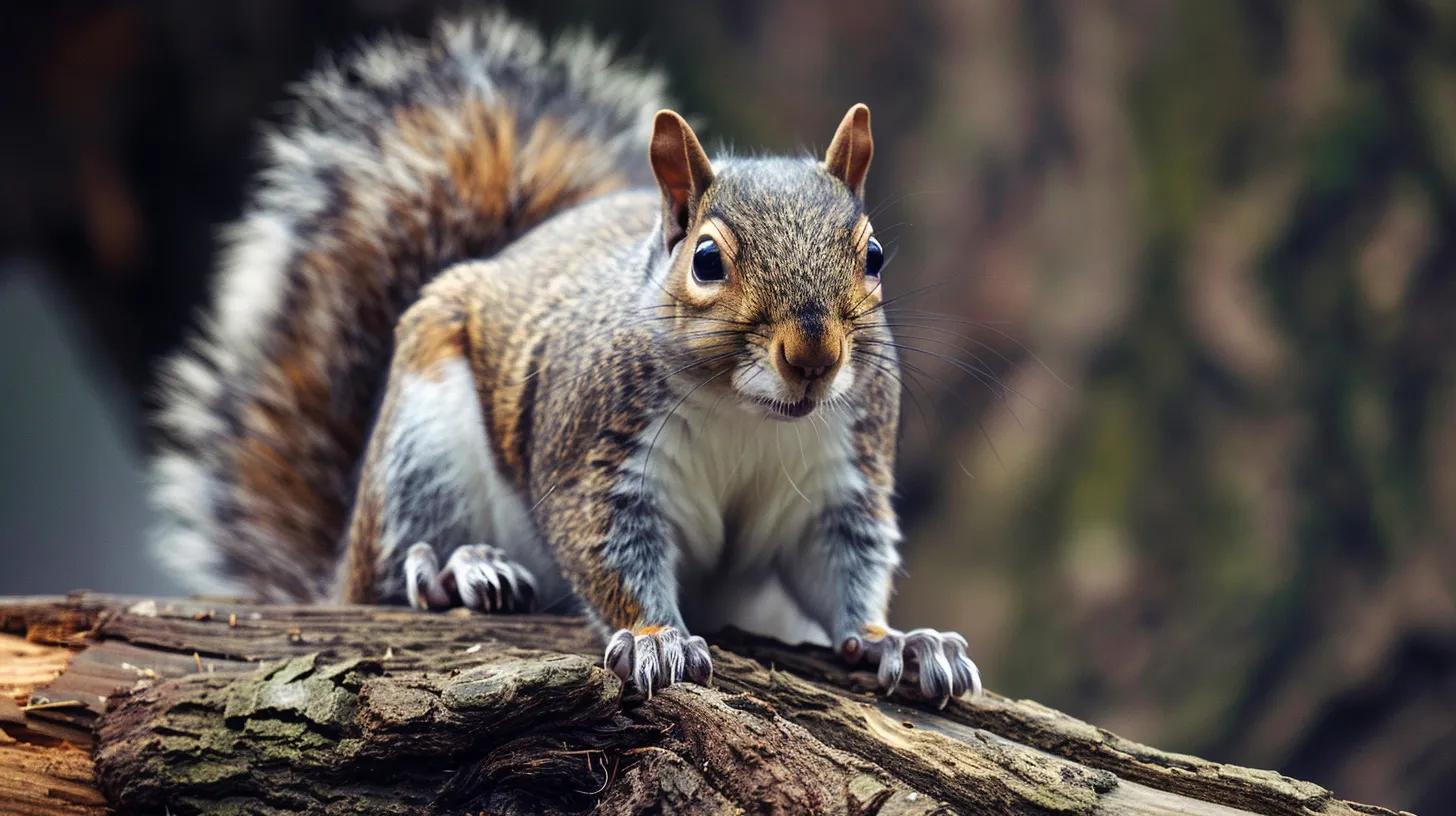
Eastern grey squirrels and Douglas squirrels are common throughout Pitt Meadows and Maple Ridge. While they seem harmless, squirrels in your attic can cause serious damage — and they’re persistent about getting back in once they’ve found a way inside.
How Squirrels Get In
- Chewing through fascia board or soffit — squirrels can gnaw through wood and even aluminum
- Roof intersections — where two roof lines meet often creates small gaps
- Unscreened vents — attic vents without hardware cloth are an open invitation
- Tree branches touching the roof — squirrels use overhanging branches as a bridge
Damage They Cause
Squirrels chew constantly to keep their teeth filed down, and that chewing often targets electrical wiring in the attic — a genuine fire hazard. They also tear apart insulation for nesting material, store food caches that attract insects, and create noise that disrupts sleep.
Signs of Squirrel Activity
- Rapid scurrying or scratching sounds in the attic during daylight hours (unlike raccoons, squirrels are active during the day)
- Chewed wood or aluminum at roofline entry points
- Small droppings in the attic (similar to dark grains of rice)
- Nesting material (shredded insulation, leaves, bark) in attic corners
When to Call a Wildlife Removal Professional
Not every wildlife encounter requires professional help. A raccoon passing through your yard isn’t a problem. But you should call for wildlife removal in Pitt Meadows or Maple Ridge when:
- An animal has moved into your home — attic, crawl space, wall cavity, or chimney
- You hear persistent sounds — thumping, scratching, or vocalizations from inside the structure
- There’s visible damage — torn soffits, chewed vents, or disturbed insulation
- You find droppings or urine staining — inside the home, in the attic, or near entry points
- A skunk has sprayed near or under your home — removal prevents repeat incidents
- Baby animals may be present — spring is birthing season, and separating mothers from babies creates additional problems
Attempting to remove wildlife yourself can result in bites, scratches, or spray — and it may violate BC’s Wildlife Act if done improperly.
Wildlife Removal Laws in British Columbia
BC’s Wildlife Act protects many wildlife species, and there are specific rules about how they can be managed:
- Raccoons are classified as fur-bearing animals. They can be trapped by licensed pest control operators but cannot be relocated more than 1 km from the capture site under most circumstances.
- Skunks are also fur-bearing animals with similar regulations.
- Squirrels (grey squirrels) are not protected under the Wildlife Act, but humane removal is still the standard practice.
- It is illegal to poison wildlife in BC.
- Live trapping and relocation is heavily restricted — relocated animals often don’t survive, and the practice can spread disease.
This is why hiring a licensed wildlife removal company matters. Canadian Pest Control operates within all BC wildlife regulations and uses humane, effective methods.
What Professional Wildlife Removal Looks Like
When you call Canadian Pest Control for wildlife removal in Pitt Meadows or Maple Ridge, here’s what to expect:
1. Inspection
We inspect the property to identify the species, locate entry points, and assess the extent of any damage. This includes checking the attic, roof, crawl space, deck, and perimeter.
2. Humane Removal
Depending on the species and situation, we use one-way exclusion doors (which allow animals to leave but not re-enter), live traps, or deterrent techniques. We check for babies during spring to avoid separating families.
3. Entry Point Sealing
Once the animals are out, we seal all entry points using galvanized steel mesh, metal flashing, and other rodent/wildlife-proof materials. This is the most important step — without it, new animals will move in within weeks.
4. Cleanup and Sanitization
Wildlife leaves behind droppings, urine, nesting material, and parasites. We clean and sanitize affected areas and can arrange for insulation replacement if it’s been severely damaged.
5. Follow-Up
We return to verify that seals are holding and no new activity has appeared. Wildlife is persistent, and follow-up ensures the job is done right.
Preventing Wildlife Problems on Your Property
You can reduce the likelihood of wildlife issues with a few proactive steps:
- Secure garbage bins with bungee cords or locking lids
- Don’t leave pet food outside overnight
- Pick up fallen fruit from trees promptly
- Trim tree branches so none are within 6-8 feet of your roof
- Install hardware cloth over attic vents and crawl space openings
- Cap your chimney with a proper wildlife-proof cap
- Screen the underside of decks with galvanized mesh buried 6 inches into the ground
Get Help With Wildlife Removal Today
If raccoons, skunks, or squirrels have made themselves at home on your Pitt Meadows or Maple Ridge property, don’t wait for the problem to get worse. Wildlife damage escalates quickly, and the longer animals are inside, the more expensive the cleanup becomes.
Canadian Pest Control provides humane, licensed wildlife removal for homes and businesses across Maple Ridge, Pitt Meadows, Coquitlam, Port Coquitlam, and the Lower Mainland. Call (778) 598-7378 for a free inspection and quote — we’re available 24/7.