
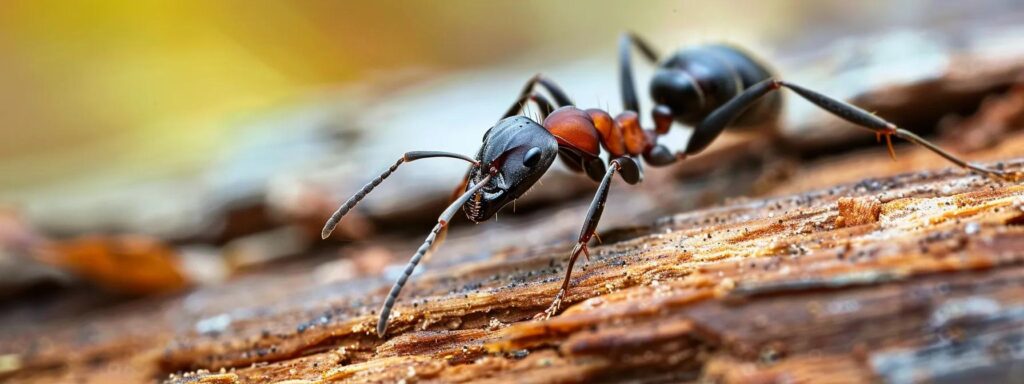
Signs of Termite Damage vs. Carpenter Ant Damage: A Comprehensive Identification Guide for BC Homebuyers
Understanding the differences between termite damage and carpenter ant damage is crucial for homebuyers in British Columbia. Both pests can cause significant harm to wooden structures, but their signs and impacts vary greatly. This guide will help you identify the key indicators of each pest’s presence, ensuring you can make informed decisions when purchasing a home. By recognizing the signs of termite damage and carpenter ant damage, you can protect your investment and maintain the integrity of your property. We will explore the specific signs of each pest, the differences between their damage, and the importance of pest inspections in safeguarding your home. Additionally, we will discuss prevention and treatment options available to homeowners in BC.
What Are the Key Signs of Termite Damage in BC Homes?
Termite damage is often subtle and can go unnoticed until significant structural issues arise. Key signs of termite damage in BC homes include:
- Mud Tubes: Termites build mud tubes to protect themselves while traveling between their colony and food sources. These tubes are often found on walls, foundations, or wooden structures.
- Wood Damage: Termites consume wood from the inside out, leaving a thin veneer of wood on the surface. Tapping on wood may reveal hollow sounds, indicating extensive damage.
- Swarmers: During mating season, winged termites, known as swarmers, may emerge from the colony. Finding discarded wings near windows or doors is a strong indicator of an infestation.
Recognizing these signs early can prevent extensive damage and costly repairs.
How Does Termite Wood Consumption Affect Home Structures?
Termite wood consumption can severely compromise the structural integrity of a home. As termites feed on wooden beams, joists, and other structural components, they create hollow spaces that weaken the overall framework. This can lead to sagging floors, warped walls, and even collapse in severe cases. The consequences of untreated termite damage can be devastating, making early detection and intervention essential for homeowners.
Which Visual Indicators Distinguish Termite Damage?
Visual indicators of termite damage include:
- Frass: Termite droppings, known as frass, resemble small pellets and can be found near infested wood.
- Bubbling Paint: Paint or wallpaper may bubble or peel due to moisture from termite activity.
- Visible Damage: In advanced infestations, you may see visible damage to wooden structures, including tunnels and grooves.
Understanding these visual indicators can help homeowners identify termite infestations before they escalate.
How to Recognize Carpenter Ant Infestation Symptoms in BC Properties?
Carpenter ants are another common pest that can cause significant damage to homes in BC. Recognizing the symptoms of a carpenter ant infestation is crucial for timely intervention.
- Wood Shavings: Unlike termites, carpenter ants excavate wood to create nests, leaving behind fine wood shavings or sawdust.
- Hollow Sound: Tapping on wood may produce a hollow sound, indicating that the wood has been hollowed out by the ants.
- Foraging Trails: Carpenter ants often create visible trails as they forage for food, which can be seen along walls or baseboards.
Identifying these signs early can help prevent extensive damage to your home.
What Are the Typical Wood Excavation Patterns of Carpenter Ants?
Carpenter ants create distinctive excavation patterns in wood. They typically remove wood in a smooth, clean manner, leaving behind a hollowed-out area. This differs from termite damage, which often leaves a rough, uneven surface. Understanding these patterns can aid in distinguishing between the two pests.
Which Signs Differentiate Carpenter Ant Damage from Other Wood Issues?
To differentiate carpenter ant damage from other wood issues, consider the following signs:
- Presence of Ants: Seeing large black or red ants, especially at night, is a strong indicator of a carpenter ant infestation.
- Wood Shavings: The presence of fine wood shavings near wooden structures is a clear sign of carpenter ant activity.
- Nesting Sites: Carpenter ants often nest in moist or decaying wood, so finding nests in areas with water damage can help confirm their presence.
Recognizing these signs can help homeowners take appropriate action against carpenter ant infestations.
What Are the Main Differences Between Termite and Carpenter Ant Damage?
Understanding the differences between termite and carpenter ant damage is essential for effective pest management.
- Feeding Habits: Termites primarily feed on cellulose found in wood, while carpenter ants do not consume wood but excavate it to create nests.
- Damage Appearance: Termite damage often appears as hollowed-out wood with a smooth surface, whereas carpenter ant damage is characterized by clean, sawdust-like shavings and hollowed areas.
- Infestation Signs: Termites leave behind mud tubes and frass, while carpenter ants leave wood shavings and visible trails.
These differences are crucial for identifying the type of pest present and determining the appropriate treatment.
How to Use Comparison Tables to Identify Wood Damage Insects in BC?
Using comparison tables can help homeowners quickly identify the signs of wood-destroying insects. Here’s a simple comparison:
| Pest Type | Feeding Method | Damage Appearance | Key Indicators |
|---|---|---|---|
| Termites | Consume wood | Hollowed, smooth wood | Mud tubes, frass, swarmers |
| Carpenter Ants | Excavate wood | Clean, sawdust-like shavings | Wood shavings, foraging trails |
This table highlights the key differences between termites and carpenter ants, aiding in identification and management.
What Similarities Should BC Homebuyers Be Aware Of?
While termites and carpenter ants have distinct differences, they also share some similarities:
- Wood Damage: Both pests can cause significant damage to wooden structures, leading to costly repairs.
- Moisture Preference: Both pests are attracted to moist environments, making areas with water damage more susceptible to infestations.
- Need for Professional Help: Homeowners should seek professional pest control services for effective management of both pests.
Understanding these similarities can help homeowners take proactive measures to protect their properties.
How Does the Pest Inspection Process Help BC Homebuyers Detect Wood-Destroying Insects?
A thorough pest inspection is essential for homebuyers to detect wood-destroying insects like termites and carpenter ants.
- Visual Inspection: Inspectors examine the property for signs of infestation, including mud tubes, frass, and wood damage.
- Moisture Assessment: Inspectors check for moisture issues that may attract pests, identifying potential problem areas.
- Use of Technology: Advanced technologies, such as thermal imaging and moisture meters, can help detect hidden infestations.
This comprehensive approach ensures that homebuyers are aware of any potential pest issues before finalizing their purchase.
What Are the Steps in a Professional Home Pest Inspection in BC?
The steps in a professional home pest inspection typically include:
- Initial Consultation: Discussing concerns and areas of focus with the homeowner.
- Exterior Inspection: Examining the exterior of the home for signs of pest activity.
- Interior Inspection: Conducting a thorough inspection of the interior, including attics, basements, and crawl spaces.
- Report Generation: Providing a detailed report of findings and recommendations for treatment.
These steps ensure a comprehensive assessment of the property.
Which Non-Invasive Detection Technologies Are Used for Termites and Carpenter Ants?
Non-invasive detection technologies play a crucial role in identifying pest infestations without causing damage to the property. Common technologies include:
- Thermal Imaging: Detects temperature differences in walls, indicating potential pest activity.
- Moisture Meters: Measures moisture levels in wood, helping identify areas at risk for infestations.
- Acoustic Sensors: Detects sounds made by pests within walls, providing insight into hidden infestations.
These technologies enhance the effectiveness of pest inspections, allowing for early detection and intervention.
What Prevention and Treatment Options Are Available for Termite and Carpenter Ant Damage in BC?
Preventing and treating termite and carpenter ant damage is essential for maintaining the integrity of your home.
- Regular Inspections: Schedule regular pest inspections to catch infestations early.
- Moisture Control: Address any moisture issues in and around the home to deter pests.
- Professional Treatments: Consider professional pest control services for effective treatment options.
Implementing these strategies can help protect your home from wood-destroying insects.
How Can BC Homebuyers Prevent Wood Damage from These Insects?
Homebuyers can take several proactive steps to prevent wood damage from termites and carpenter ants:
- Seal Cracks and Openings: Ensure that all cracks and openings in the foundation and walls are sealed to prevent pest entry.
- Maintain Landscaping: Keep wood piles, mulch, and vegetation away from the foundation to reduce pest attraction.
- Regular Maintenance: Conduct regular maintenance on roofs, gutters, and plumbing to prevent moisture buildup.
These preventive measures can significantly reduce the risk of infestations.
What Are the Recommended Treatment Methods for Infestations?
If an infestation occurs, several treatment methods are recommended:
- Chemical Treatments: Professional pest control services often use insecticides specifically designed for termites and carpenter ants.
- Boric Acid: This natural treatment can be effective against both pests when applied to infested areas.
- Fumigation: In severe cases, fumigation may be necessary to eliminate widespread infestations.
Understanding these treatment options can help homeowners make informed decisions when dealing with pest issues.