
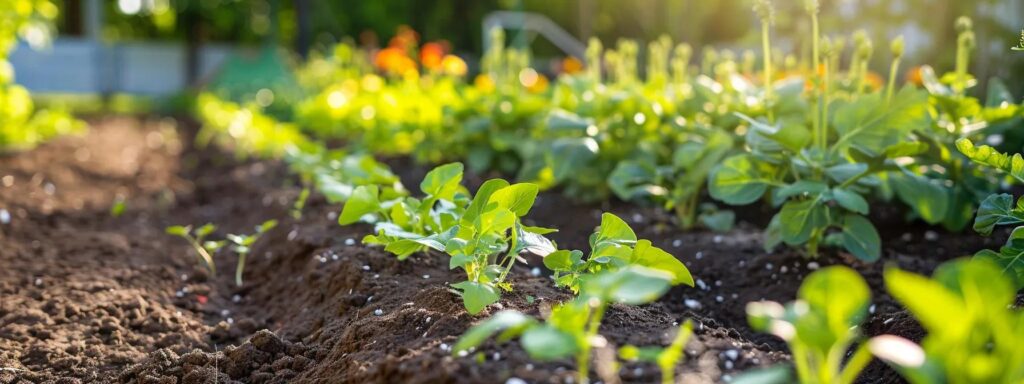
Spring Garden Pest Control in New Westminster:
As spring approaches, gardeners in New Westminster face the challenge of preparing their gardens for the season while preventing pests that can damage their plants. This article will provide essential strategies for identifying common pests, monitoring them early, and implementing effective prevention methods. By understanding the specific pests that thrive in New Westminster’s spring climate, gardeners can take proactive measures to protect their gardens. We will explore organic and chemical pest control options, seasonal maintenance practices, and local resources that can aid in pest prevention. With the right knowledge and tools, you can ensure a thriving garden free from unwanted pests.
What Are the Most Common Spring Garden Pests in New Westminster?
Identifying common pests is crucial for effective pest management in your garden. In New Westminster, several pests are particularly prevalent during the spring season, and understanding their behavior can help gardeners take timely action.
Which pests affect New Westminster gardens in spring?
Common pests that affect gardens in New Westminster during spring include:
- Aphids: These small, sap-sucking insects can quickly multiply and cause significant damage to plants by stunting growth and spreading diseases.
- Slugs: Known for their voracious appetite, slugs feed on tender leaves and can create unsightly holes in your plants.
- Beetles: Various beetle species can invade gardens, damaging foliage and roots, which can lead to plant stress and decline.
Recognizing these pests early is essential for effective control and prevention.
Further research highlights specific slug species commonly found in gardens, aiding in more precise identification.
Identifying Common Slug Species in Gardens
reported incidence of slugs which was typical of the other sites in this study. The slug species commonly found on this plot were identified and the total number of slugs was estimated by trapping. The most common species were Arion hortensis, Deroceras reticulatum and Milax budapestensis.
A study of common crop pests in allotment gardens around Leeds, H Evans, 1979
How does New Westminster's spring climate influence pest activity?
The spring climate in New Westminster plays a significant role in pest activity. Warmer temperatures and increased moisture levels create an ideal environment for pests to thrive.
- Temperature effects: As temperatures rise, pests like aphids become more active, leading to earlier infestations.
- Moisture levels: Increased rainfall can create damp conditions that favor slugs and other moisture-loving pests.
- Seasonal changes: The transition from winter to spring can trigger the emergence of various pests, making it essential for gardeners to be vigilant.
Understanding these climatic influences helps gardeners anticipate pest activity and prepare accordingly.
How Can You Identify and Monitor Garden Pests Early in Spring?
Early identification and monitoring of garden pests are vital for effective pest management. By recognizing the signs of infestations, gardeners can take action before the problem escalates.
What are the signs of aphid and slug infestations?
Identifying signs of aphid and slug infestations can help gardeners act quickly:
- Visual signs: Look for clusters of small, green or black insects on the undersides of leaves for aphids, while slugs leave behind a slimy trail.
- Damage to plants: Aphids cause curling leaves and yellowing, while slugs create irregular holes in leaves.
- Timing of inspections: Regular inspections, especially after rain, can help catch infestations early.
Monitoring these signs will enable gardeners to implement control measures promptly.
How to use pest identification images and lifecycle diagrams effectively?
Utilizing pest identification images and lifecycle diagrams can enhance your ability to recognize and understand pest behavior.
- Types of images: Use clear, high-quality images that depict the pests at various life stages.
- How to interpret diagrams: Lifecycle diagrams can illustrate the development stages of pests, helping you understand when they are most vulnerable.
- Resources for images: Many gardening websites and local extension services provide valuable resources for pest identification.
By leveraging these tools, gardeners can improve their pest management strategies.
What Are Effective Organic Pest Prevention Methods for Spring Gardens?
Organic pest prevention methods are an excellent way to protect your garden while minimizing harm to the environment. Several natural strategies can help deter pests effectively.
Emphasizing a natural, chemical-free approach, some studies suggest the role of beneficial organisms like nematodes in pest management.
Natural, Chemical-Free Pest Management for Gardens
and given Sally’s lifetime experience of organic gardening, it’s bound to inspire all those who want to grow their own food in a natural, chemical-free way. Some nematodes are parasites of other nematodes, snails and slugs, and insects. Some nematodes can protect plants from pests.
The Healthy Vegetable Garden: A natural, chemical-free approach to soil, biodiversity and managing pests and diseases, 2021
Which natural repellents work best against aphids and slugs in New Westminster?
Natural repellents can be highly effective against common pests like aphids and slugs. Some of the best options include:
- Neem oil: This natural pesticide disrupts the life cycle of pests and deters them from feeding on plants.
- Garlic spray: A homemade garlic spray can repel aphids and other insects due to its strong odor.
- Copper tape: Placing copper tape around plant bases can deter slugs, as they receive a mild electric shock when they come into contact with it.
These organic methods provide a safe and effective way to manage pests without harmful chemicals.
Scientific studies have specifically demonstrated the efficacy of neem oil and its extracts as potent organic aphicides.
Neem Oil & Extract: Effective Organic Aphid Control
Laboratory and field trials with formulated neem seed oil (NSO) and neem seed extract (NSE) demonstrated that these materials are potentially very effective as aphicides. Sprays of NSO to plants in the laboratory resulted in significant reductions in numbers of green peach aphids, Myzus persicae (Suizer), on pepper and rutabaga; lettuce aphid, Nasonovia ribisnigri (Mosley), on lettuce; and strawberry aphid, Chaetosiphon fragaefolii (Cockerell), on strawberry. Under field conditions, NSO and NSE were as effective or better than the commonly used botanical insecticide pyrethrum for the control of aphids on pepper, cabbage, and strawberry, but they were ineffective for the control of aphids on lettuce.
Effects of extracts from neem, Azadirachta indica (A. Juss.), on aphids (Homoptera: Aphididae) with respect to their control, 1992
How do beneficial insects like ladybugs help control pests naturally?
Beneficial insects play a crucial role in natural pest control.
- Types of beneficial insects: Ladybugs, lacewings, and parasitic wasps are known for their pest-controlling abilities.
- How they control pests: Ladybugs feed on aphids, while lacewing larvae consume a variety of soft-bodied insects.
- Encouraging beneficial insects: Planting diverse flowers and providing habitats can attract these helpful insects to your garden.
By fostering a healthy ecosystem, gardeners can enhance natural pest control.
What Chemical Pest Control Options Are Safe and Effective in Spring?
While organic methods are preferred by many, there are also safe and effective chemical pest control options available for gardeners in New Westminster.
When should chemical treatments be considered for garden pests?
Chemical treatments should be considered when pest populations reach damaging levels.
- Signs of severe infestations: If you notice significant damage to plants or rapid pest population growth, it may be time to act.
- Timing in the season: Early spring is often the best time to apply treatments before pests become too established.
- Environmental considerations: Always consider the potential impact on beneficial insects and the surrounding ecosystem when using chemical controls.
Using chemical treatments responsibly can help protect your garden while minimizing negative effects.
How to use chemical controls safely in New Westminster gardens?
Safety is paramount when using chemical controls.
- Personal protective equipment: Always wear gloves, masks, and protective clothing when applying chemicals.
- Application techniques: Follow label instructions carefully, applying treatments during calm weather to prevent drift.
- Environmental impact: Be mindful of nearby water sources and beneficial insect habitats when applying chemicals.
By adhering to safety guidelines, gardeners can effectively manage pests while protecting their health and the environment.
What Seasonal Garden Maintenance Practices Help Prevent Pests in Spring?
Regular garden maintenance is essential for preventing pest infestations. Implementing specific practices can significantly reduce pest habitats.
Which spring garden maintenance tasks reduce pest habitats?
Several maintenance tasks can help minimize pest habitats in your garden:
- Cleaning up debris: Removing fallen leaves and plant debris can eliminate hiding spots for pests.
- Proper plant spacing: Ensuring adequate spacing between plants improves air circulation and reduces humidity, making it less hospitable for pests.
- Soil health: Maintaining healthy soil through composting and mulching can promote strong plant growth, making them less susceptible to pests.
These practices create an environment that is less conducive to pest infestations.
How to create a pest prevention timeline for New Westminster gardens?
Creating a pest prevention timeline can help gardeners stay organized and proactive.
- Timing of tasks: Schedule regular inspections and maintenance tasks throughout the spring season.
- Seasonal considerations: Adjust your timeline based on local climate conditions and pest activity patterns.
- Monitoring schedule: Set reminders for pest monitoring and treatment applications to ensure timely action.
A well-structured timeline can enhance your pest management efforts.
How Can Gardeners Leverage Local Resources and Updates for Pest Prevention?
Utilizing local resources can provide valuable insights and updates on pest management strategies specific to New Westminster.
Where to find BC Ministry of Agriculture pest updates and local advice?
The BC Ministry of Agriculture offers a wealth of resources for gardeners.
- Official websites: Check their website for the latest pest updates, guidelines, and best practices.
- Local extension services: Reach out to local agricultural extension offices for personalized advice and support.
- Community resources: Engage with local gardening clubs and forums to share experiences and learn from fellow gardeners.
These resources can help you stay informed and make better pest management decisions.
How to monitor recent pest trends and climate data for New Westminster?
Monitoring pest trends and climate data is essential for effective pest management.
- Data sources: Utilize local weather stations and agricultural reports to track climate conditions that affect pest activity.
- Interpreting trends: Analyze data to identify patterns in pest emergence and population dynamics.
- Community involvement: Participate in local gardening groups to share observations and gather insights from other gardeners.
By staying informed, you can adapt your pest management strategies to changing conditions.