
Abbotsford sits at the heart of BC’s agricultural belt. The same rich soil, mild climate, and abundant water that make it one of the most productive farming regions in Canada also make it one of the most pest-active areas in the Fraser Valley.
Whether you own a home backing onto farmland, run a business in the city centre, or manage a property near the Sumas Prairie, understanding the unique pest challenges in Abbotsford helps you protect your property and avoid costly damage.
Why Abbotsford Has Unique Pest Pressure
Agricultural Proximity
Abbotsford is surrounded by active farmland — berry fields, dairy operations, poultry farms, and vegetable production. Agriculture provides year-round food and harbourage for pests:
- Rodents thrive near grain storage, feed lots, and crop fields. When fields are harvested or tilled, displaced rodents migrate to nearby residential and commercial properties.
- Birds — starlings, pigeons, and sparrows — are attracted to agricultural operations and nest on nearby buildings.
- Stored product pests — beetles, moths, and grain weevils — are common near farms and can infest homes and businesses in adjacent areas.
Water and Geography
The Sumas Prairie, the Vedder River corridor, and the network of agricultural drainage ditches create abundant standing water — ideal mosquito breeding habitat. Properties near these waterways experience significantly higher mosquito, fly, and moisture-loving pest pressure than homes on higher ground.
The 2021 Sumas Prairie flood demonstrated how dramatically water events can displace wildlife and pests. Flood recovery properties in the area continue to deal with elevated pest pressure as displaced populations settle into rebuilt and renovated structures.
Climate
Abbotsford’s mild, humid climate extends the active season for most pests. Frost-free periods are longer here than in the BC interior, meaning pests are active from late March through November — roughly eight months of the year.
Common Pests in Abbotsford
Residential
- Mice and rats — The #1 pest complaint in Abbotsford. Proximity to farmland means higher rodent populations, and they migrate to homes in fall when temperatures drop and field harvesting reduces outdoor food supply.
- Ants — Pavement ants and carpenter ants are active throughout the warmer months. Carpenter ants are especially common in homes with moisture issues.
- Wasps — Yellow jackets and paper wasps build nests on homes, in yards, and in ground burrows. Agricultural properties often see higher wasp numbers due to fruit and food waste.
- Spiders — Giant house spiders and hobo spiders are common indoors, especially in basements and garages.
- Wildlife — Raccoons, skunks, and squirrels are prevalent near the urban-rural boundary. Attic and crawl space intrusions are common.
- Mosquitoes — Heavy near the Sumas Prairie, Vedder Canal, and low-lying areas.
Commercial
Abbotsford businesses face pest challenges that reflect the local economy:
- Restaurants and food service — Rodents, cockroaches, fruit flies, and stored product pests. Health inspections require documented pest management programs.
- Warehousing and distribution — Rodents, birds, and stored product pests (beetles, moths). Properties near agricultural operations face elevated risk.
- Retail — Rodents in older commercial buildings, especially those with loading docks and shipping/receiving areas.
- Agricultural businesses — Rodent management is a constant requirement around grain storage, feed operations, and produce handling facilities.
- Food processing — Requires comprehensive, documented IPM (Integrated Pest Management) programs for regulatory compliance.
Residential vs Commercial Pest Control: Key Differences
Residential
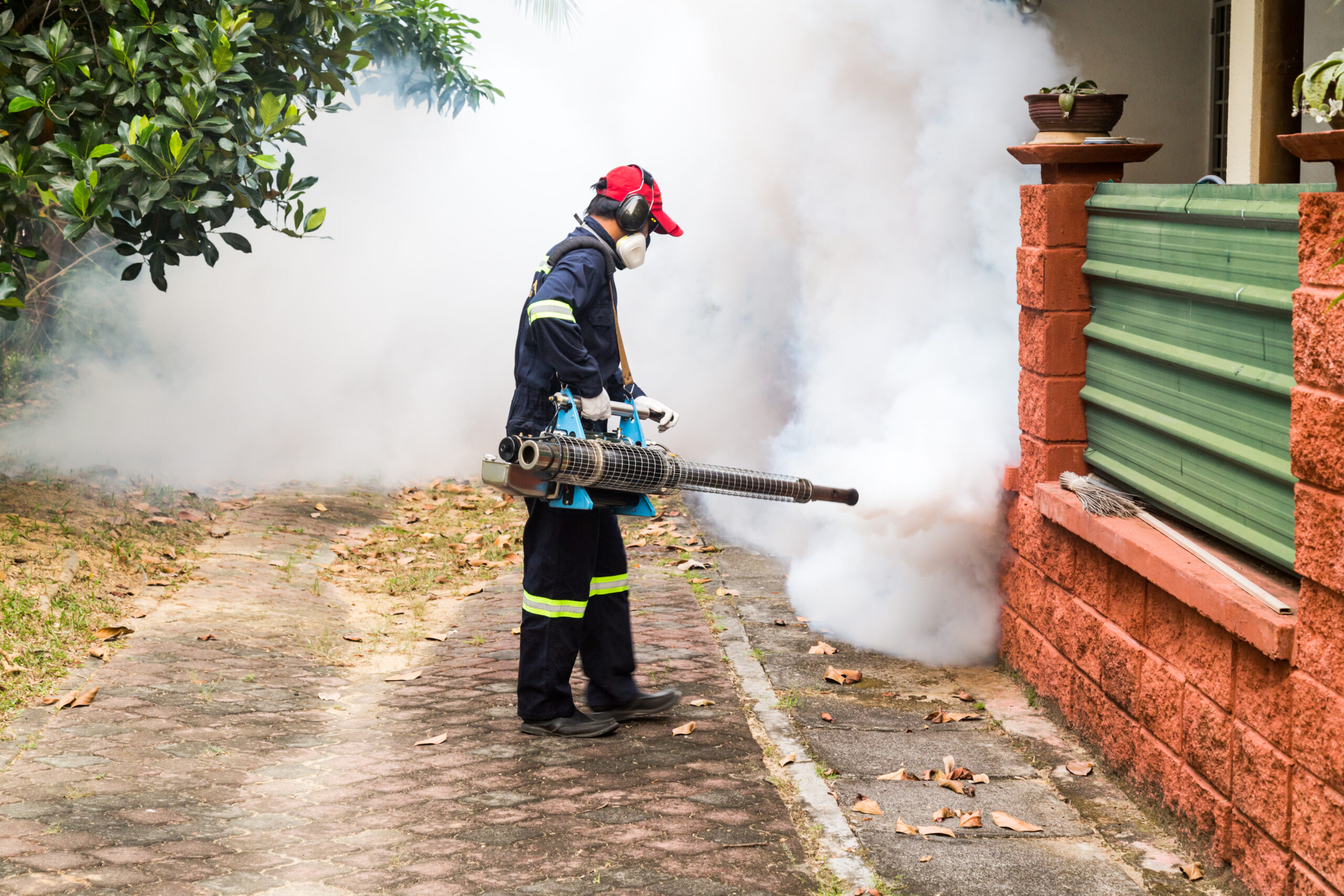
Home pest control in Abbotsford typically involves:
- Quarterly perimeter treatments to prevent seasonal pests
- Rodent exclusion (sealing entry points) before fall
- Targeted treatments for specific pests (ant colonies, wasp nests, wildlife)
- One-time services for isolated issues
The focus is on making your home inhospitable to pests through treatment, exclusion, and prevention.
Commercial
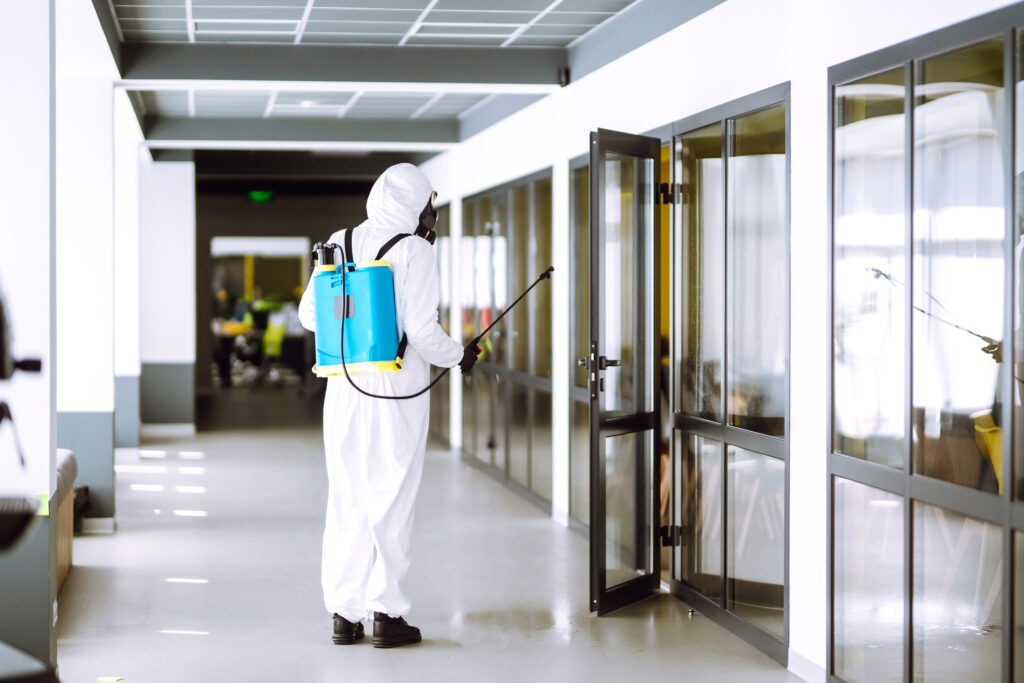
Commercial pest control requires a more structured approach:
- Documented IPM programs — Many industries (food service, food processing, warehousing) require written pest management plans with regular monitoring and reporting.
- Regulatory compliance — Health authorities and industry auditors expect documentation of pest control activities, monitoring results, and corrective actions.
- Scheduled service — Monthly or more frequent visits depending on the industry and risk level.
- Bird control — Netting, spikes, and deterrents for pigeons and starlings that roost on commercial buildings.
- After-hours service — Many commercial treatments need to happen outside business hours.
Farm-Adjacent Properties: Special Considerations
If your home or business borders farmland, you face pest pressure that urban properties don’t:
Seasonal rodent migration: When surrounding fields are harvested (typically August–October for berry and vegetable operations), the rodent population that was living in those fields needs somewhere to go. Your property is the nearest option. Pre-harvest is the time to ensure exclusion is complete.
Bird pressure: Starling and sparrow flocks that feed on nearby crops will roost on adjacent buildings. Proactive bird deterrents (netting, spikes) before flocking season are more effective than reactive measures after birds have established roosting patterns.
Stored product pests: If you store animal feed, birdseed, or bulk dry goods, the risk of infestation from grain beetles, weevils, and pantry moths is elevated near agricultural operations. Airtight storage is essential.
Fly activity: Properties near dairy, poultry, and livestock operations experience higher fly populations. Exterior fly control measures and proper waste management help reduce the impact.
What Canadian Pest Control Offers in Abbotsford
We provide full residential and commercial pest control services throughout Abbotsford and the eastern Fraser Valley:
- Residential pest control — Quarterly prevention plans, rodent exclusion, ant treatment, wasp removal, wildlife management, and one-time services
- Commercial pest management — IPM programs, documentation for health authority compliance, scheduled monitoring, bird control, and emergency service
- Rodent exclusion — Full home inspections with entry point sealing, particularly important for farm-adjacent properties
- Wildlife removal — Humane raccoon, squirrel, and skunk removal with exclusion to prevent re-entry
We understand the unique pest dynamics of Abbotsford’s agricultural landscape and tailor our approach to the specific challenges each property faces.
For more on our approach to rodent control, see our comprehensive rodent management guide. For commercial-specific services, our commercial pest control overview details what businesses can expect.
Protect Your Abbotsford Property
Living and working near farmland comes with unique advantages — and unique pest challenges. Proactive pest management is especially important in Abbotsford, where agricultural activity drives higher pest populations than many other Fraser Valley communities.
Call Canadian Pest Control at (778) 598-7378 or contact us online to discuss a pest management plan tailored to your Abbotsford property. Whether it’s a home, a restaurant, a warehouse, or a farm operation, we’ll build a program that keeps pests under control year-round.