
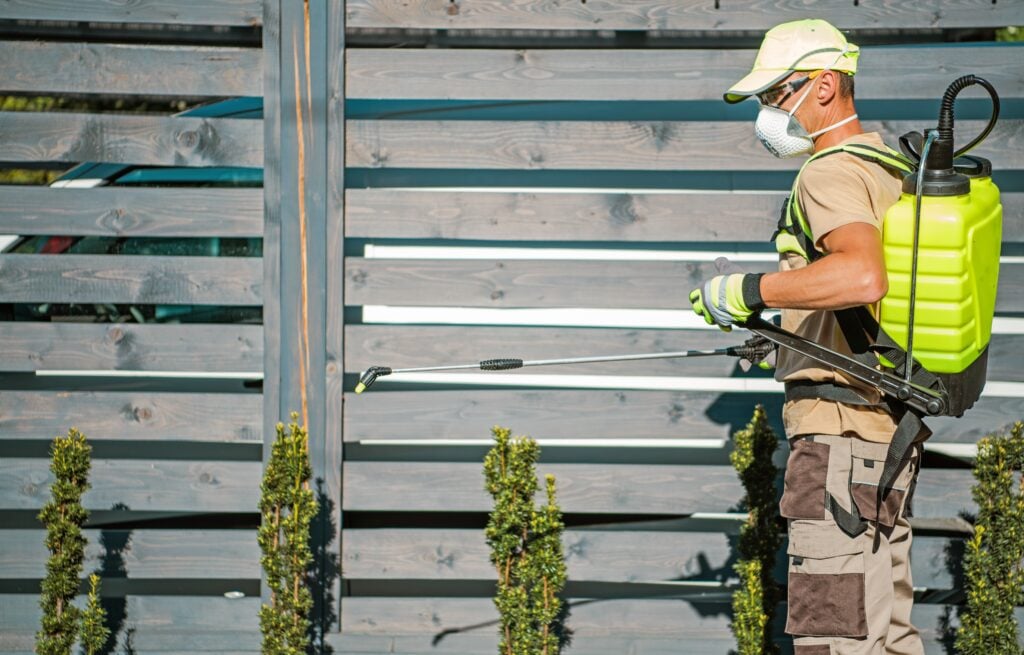
One of the most common questions we hear from homeowners in Maple Ridge, Pitt Meadows, and the Fraser Valley is: how often do I actually need pest control? Is once enough? Do I need it every month? Is quarterly worth it?
The answer depends on your situation — but here’s a straightforward guide to help you figure out what makes sense for your home.
The Short Answer
- Prevention (no active problem): Quarterly (4 times per year)
- Active infestation: Monthly until resolved, then quarterly
- One-time treatment: For isolated, single-pest issues
- Seasonal treatment: Targeted treatments at specific times of year
Now let’s break down why, and what each season demands in BC.
Seasonal Pest Calendar for the Fraser Valley
Spring (March–May): The Wake-Up Call
This is when most pest activity begins. Warming temperatures bring out:
- Ants — Carpenter ants and pavement ants become active as temperatures consistently hit 10°C+
- Spiders — Start appearing indoors as they emerge from overwintering
- Wasps — Queens begin building new nests in April-May
- Rodents — Spring cleaning often reveals signs of winter rodent activity
Best time to spray: March or early April. A perimeter treatment around your home’s foundation creates a barrier before pests become active. This is also the ideal time to inspect for and seal any entry points that opened over winter.
Summer (June–August): Peak Season
Everything is active. This is the busiest time for pest control in BC:
- Wasps and hornets — Colonies reach full size, nests are large and aggressive
- Ants — Peak activity, especially carpenter ants in older Maple Ridge homes
- Mosquitoes — June through August is peak season near Pitt River and Fraser Valley wetlands
- Spiders — Active and visible, especially in garages, basements, and around exterior lights
- Fleas and ticks — Peak season for pet owners
Best time to spray: June for a mid-season treatment. This reinforces the spring barrier and targets summer-active pests. Wasp nest removal should happen as soon as nests are spotted — don’t wait.
Fall (September–November): The Invasion
As temperatures drop, pests move indoors:
- Mice and rats — The #1 fall pest in the Fraser Valley. Rodents seek warmth and food as outdoor temperatures drop below 10°C
- Cluster flies — Move into wall voids and attics to overwinter
- Spiders — Males become more visible indoors as they search for mates
- Stink bugs — Seek sheltered spots inside homes
Best time to spray: September or early October. A fall perimeter treatment combined with rodent exclusion (sealing entry points) is the most impactful treatment of the year. This prevents the annual wave of mice and rats that enters Fraser Valley homes every autumn.
Winter (December–February): Maintenance
Outdoor pest activity drops significantly, but indoor pests that entered in fall are now established:
- Rodents — Mice and rats that entered in fall are now nesting and breeding inside
- Cockroaches — Active year-round in heated homes
- Silverfish — Active in basements and storage areas regardless of season
- Overwintering pests — Cluster flies, ladybugs, and stink bugs may emerge on warm days
Best time to spray: No routine exterior treatment needed. Focus on interior rodent control if issues are present, and plan your spring treatment for March.
Quarterly vs Monthly vs One-Time: Which Do You Need?
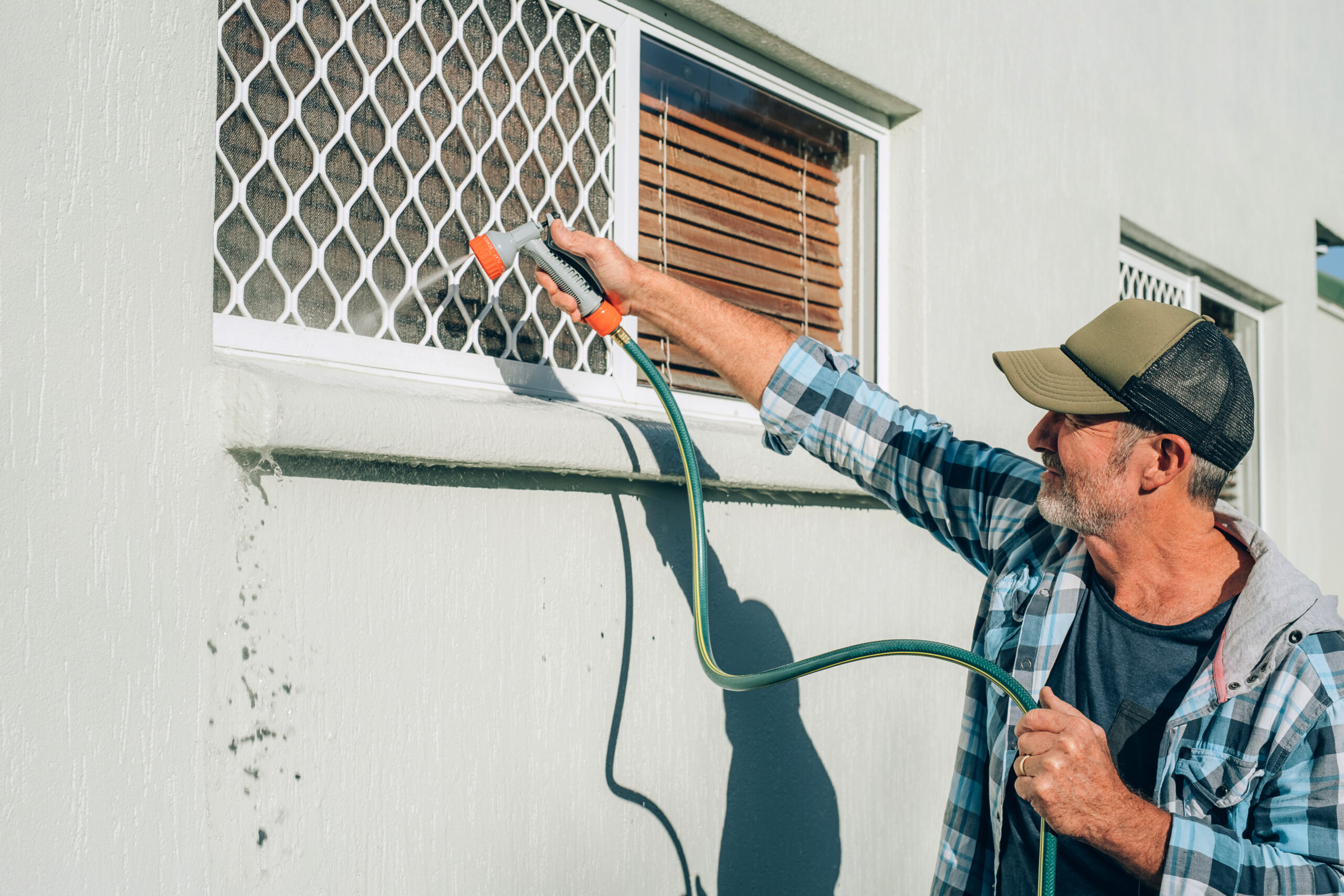
Quarterly Service (Most Homeowners)
Four treatments per year — spring, summer, fall, and a winter check/interior treatment as needed. This is the standard recommendation for most Fraser Valley homes because it addresses each seasonal pest wave before it becomes a problem.
Quarterly service is ideal if:
- You want to prevent problems rather than react to them
- Your property is near wooded areas, farmland, or water
- You’ve had pest issues in the past and don’t want repeats
- You have a larger property with more potential entry points
Monthly Service (Active Infestations)
Monthly treatments are appropriate when you have an active, ongoing pest problem — a rodent infestation, recurring ants, or bed bugs that require multiple treatments to fully eliminate.
Once the infestation is resolved, most homeowners step down to quarterly maintenance.
One-Time Treatment (Isolated Issues)
A single treatment makes sense for:
- A wasp nest that needs removal
- A one-off spider treatment before a specific event
- A seasonal ant problem that you catch early
The risk with one-time treatment is that without follow-up, the same conditions that attracted pests in the first place will attract them again. But for isolated, non-recurring issues, one treatment can be sufficient.
How to Know If Your Current Schedule Is Enough
You might need more frequent service if:
- You’re seeing pests between scheduled treatments
- Your property backs onto forested, agricultural, or wetland areas
- You have an older home with many potential entry points
- You’ve recently had a significant infestation
You might be able to scale back if:
- You haven’t seen any pests in 12+ months
- Your home is well-sealed with few entry points
- You’re on higher ground away from water and dense vegetation
- You maintain your property well (yard, gutters, storage areas)
For more on how regular service protects your home, read about monthly pest control and what it includes. And for a seasonal prevention checklist you can do yourself between professional visits, see our spring pest prevention guide for Maple Ridge.
Build a Pest Control Plan That Fits
There’s no one-size-fits-all answer, but for most homes in Maple Ridge, Pitt Meadows, and the Fraser Valley, quarterly service is the sweet spot — enough to stay ahead of seasonal pest waves without overdoing it.
Call Canadian Pest Control at (778) 598-7378 or contact us online to set up a treatment schedule that matches your home, your location, and your pest history. We’ll recommend exactly what you need — nothing more.