
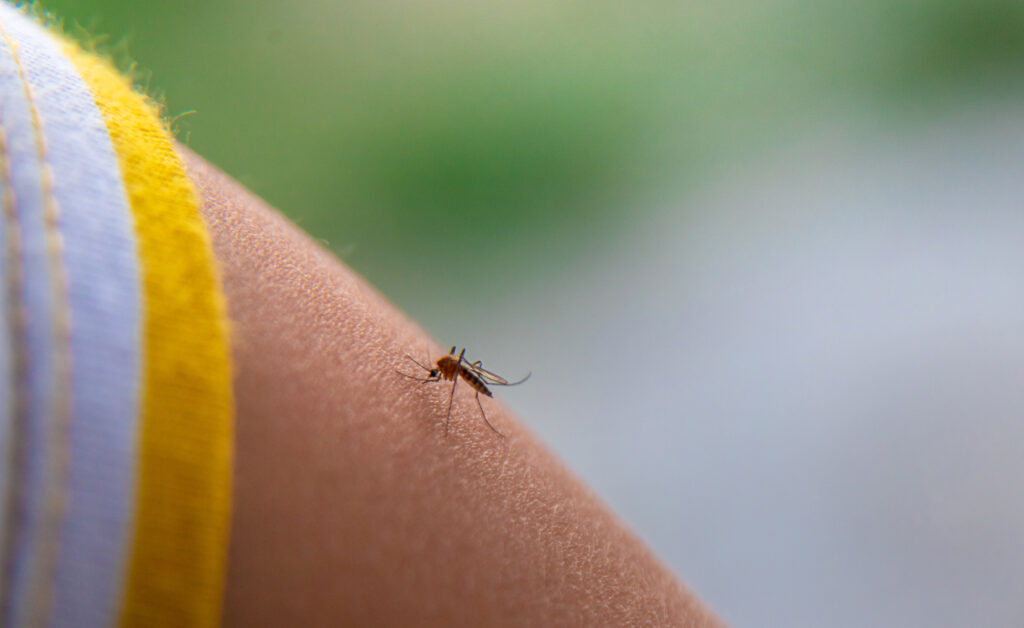
If you live near the Pitt River, the Alouette River, or any of the agricultural lowlands around Pitt Meadows and Maple Ridge, you already know: mosquito season in the Fraser Valley is no joke.
The combination of standing water, warm summers, and the wetland geography that makes this area beautiful also makes it one of the most mosquito-dense regions in the Lower Mainland. Here’s when the worst of it hits and what you can do to take your yard back.
When Is Mosquito Season in the Fraser Valley?
Mosquitoes become active in BC when temperatures consistently stay above 10°C, which in the Fraser Valley typically means late April through October. But the real peak — when populations explode and outdoor time becomes miserable — is June through August.
Here’s the seasonal breakdown:
- April–May: First mosquitoes appear as temperatures warm. Populations are small. Eggs laid in fall begin hatching in standing water from spring rain and snowmelt.
- June–July: Peak breeding season. Long days, warm nights, and abundant standing water from irrigation and rain create ideal conditions. This is when mosquito populations spike.
- August: Still heavy, especially after any rainfall. Populations begin to plateau but remain high.
- September–October: Cooling temperatures slow breeding. Activity drops significantly after the first sustained nights below 10°C.
- November–March: Dormant. Eggs and some adults overwinter in sheltered spots, waiting for spring.
Why Pitt Meadows and Maple Ridge Are Hotspots
Geography matters. Pitt Meadows and eastern Maple Ridge sit on flat agricultural lowland bordered by rivers, sloughs, and wetlands — exactly the terrain mosquitoes thrive in. The Pitt River floodplain, Pitt Lake margins, and the network of drainage ditches through farmland all provide vast mosquito breeding habitat.
Even residential properties in these areas deal with higher mosquito pressure than homes on higher ground in Coquitlam or Port Coquitlam, simply because of proximity to standing water sources.
Health Risks: Should You Be Concerned?
In BC, the primary mosquito concern is comfort — bites are itchy, annoying, and can ruin outdoor time. But there are health considerations:
- West Nile Virus: Present in BC, though cases are uncommon in the Lower Mainland. The BC Centre for Disease Control monitors mosquito populations and WNV presence annually.
- Allergic reactions: Some people develop large, swollen welts from mosquito bites (skeeter syndrome), which can last days.
- Secondary infection: Scratching bites can lead to skin infections, especially in children.
The risk of serious mosquito-borne illness in the Fraser Valley is low compared to other parts of the world, but reducing mosquito populations around your home is still worthwhile for comfort and quality of life.
How to Reduce Mosquitoes on Your Property
Eliminate Standing Water
This is the single most impactful thing you can do. Mosquitoes need standing water to breed, and they don’t need much — a bottlecap of water is enough.
Walk your property and eliminate or treat:
- Bird baths — Change the water at least twice a week
- Plant saucers — Empty after rain or watering
- Clogged gutters — Clean gutters so water flows freely instead of pooling
- Old tires, buckets, tarps — Anything that holds water is a breeding site
- Kids’ toys — Wagons, sandboxes, playhouses with flat surfaces
- Low spots in the lawn — Grade to improve drainage or fill with soil
- Rain barrels — Cover with fine mesh screen
For properties near agricultural ditches or wetlands, you can’t eliminate every water source. But reducing what’s on your property significantly cuts the local population.
Yard Maintenance
- Keep grass trimmed — Adult mosquitoes rest in tall grass and dense vegetation during the day
- Trim shrubs and hedges — Especially along the house foundation and near patios
- Clear leaf litter and debris — These hold moisture and provide daytime shelter
Personal Protection
- Peak hours: Mosquitoes are most active at dawn and dusk. If you’re outside during these times, use repellent.
- DEET or icaridin: Health Canada-approved repellents with 20–30% DEET or 20% icaridin are most effective.
- Clothing: Long sleeves and pants in light colours reduce exposed skin. Mosquitoes are attracted to dark colours.
- Fans: A simple oscillating fan on your deck or patio disrupts mosquito flight. They’re weak fliers.
Professional Mosquito Barrier Treatments
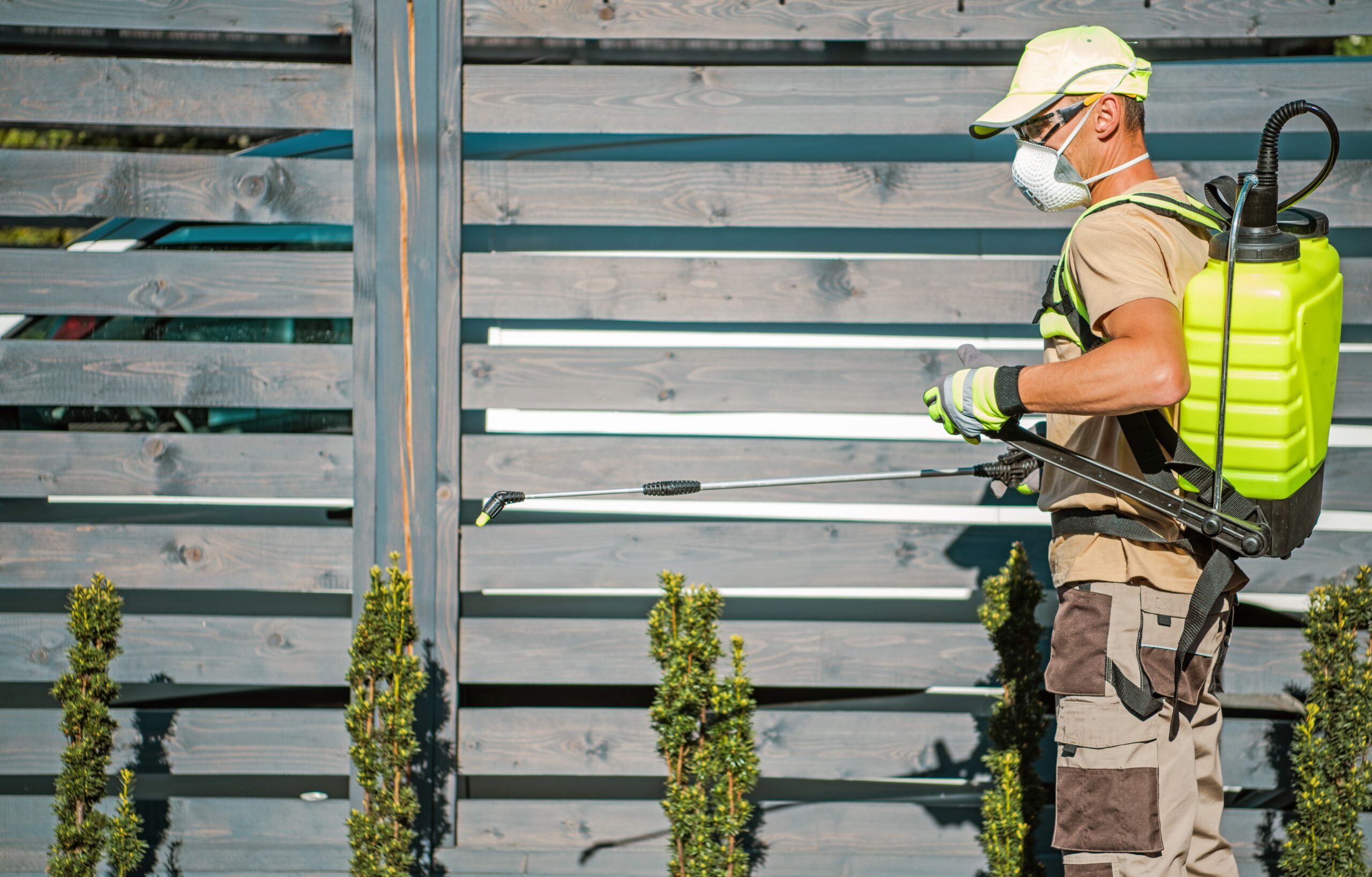
For properties with persistent mosquito problems — especially near wetlands and waterways — professional barrier treatments can make a significant difference.
Barrier treatments work by applying a residual product to vegetation, fence lines, and shaded areas where adult mosquitoes rest during the day. When mosquitoes land on treated surfaces, they’re eliminated. Treatments typically last 3–4 weeks and can be reapplied throughout the season.
This approach won’t eliminate every mosquito (especially in areas like Pitt Meadows where the breeding habitat is vast), but it dramatically reduces the population in your immediate yard — making outdoor dining, kids’ play areas, and patios usable again.
For a broader approach to keeping pests out of your home as seasons change, our spring pest prevention checklist covers the full range of seasonal pest preparation, and our guide to eco-friendly pest control in BC discusses environmentally conscious treatment options.
Take Your Yard Back This Summer
You don’t have to spend every evening swatting mosquitoes and retreating indoors. Between property maintenance, standing water elimination, and professional barrier treatments, you can significantly reduce mosquito pressure on your Fraser Valley property.
Call Canadian Pest Control at (778) 598-7378 or contact us online to discuss mosquito treatment options for your property. We serve Maple Ridge, Pitt Meadows, Mission, Coquitlam, Langley, and the wider Fraser Valley.