
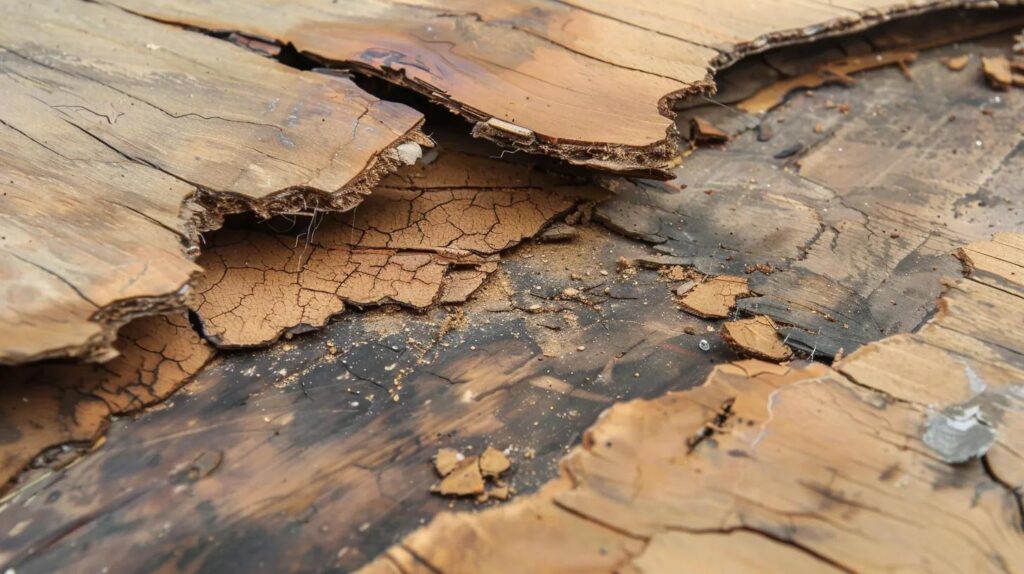
Spring in Maple Ridge is beautiful — the cherry blossoms, the warming air, the longer days. Unfortunately, it’s also the starting gun for pest season. As temperatures rise above 10°C consistently, insects and rodents that were dormant through winter become active again. Carpenter ants start foraging. Wasps begin building new nests. Mice that sheltered in your walls all winter start expanding their territory.
The good news: most spring pest problems are preventable. A few hours of targeted inspection and maintenance now can save you from dealing with a full-blown infestation in June or July. Use this spring pest prevention checklist to get ahead of the problem.
Exterior Inspection: Walk the Perimeter
Start outside. Walk the full perimeter of your home and look for anything that’s changed over winter.
Foundation
- ☐ Check for cracks in the foundation — freeze-thaw cycles over winter can create new gaps
- ☐ Inspect where pipes and cables enter the building — gaps as small as 1/4 inch allow mice entry
- ☐ Clear debris from the foundation line — leaf piles, mulch, and wood debris harbor insects and provide rodent cover
- ☐ Check weep holes in brick — make sure they’re not blocked but also not providing pest entry (insert steel wool if needed)
Doors and Windows
- ☐ Inspect weather stripping on all exterior doors — replace any that’s cracked, compressed, or missing
- ☐ Check door sweeps — the gap under your front door, back door, and garage service door should be sealed tight
- ☐ Inspect window screens — repair or replace any screens with holes or tears
- ☐ Check window frames and caulking — recaulk any gaps between the frame and siding
Roof and Gutters
- ☐ Clean gutters — clogged gutters create standing water (mosquito breeding) and moisture damage (attracts carpenter ants)
- ☐ Inspect soffits and fascia — look for holes, loose panels, or damage from wildlife over winter
- ☐ Check roof vents — make sure all vent covers are intact with no gaps or damaged screens
- ☐ Inspect the chimney cap — ensure it’s secure and wildlife-proof
- ☐ Look for wasp activity — early spring is when queens start scouting for nest sites under eaves and in soffits
Deck and Patio
- ☐ Check under the deck — look for signs of wildlife denning (raccoons, skunks) or rodent nesting
- ☐ Inspect deck boards and structural wood — soft, spongy wood can indicate moisture damage that attracts carpenter ants
- ☐ Screen the underside of raised decks with galvanized mesh if not already done
Yard and Landscaping
Your yard is the first line of defense. Pests move from the yard to the home, so managing the yard reduces what reaches your walls.
Vegetation Management
- ☐ Trim tree branches so none touch the house or are within 6 feet of the roof — branches are highways for rats, squirrels, and ants
- ☐ Cut back shrubs and bushes so they’re at least 12 inches from exterior walls
- ☐ Remove dead branches and wood debris from the yard — these are prime carpenter ant habitat
- ☐ Rake up leaf litter from foundation areas and garden beds close to the house
Moisture Control
- ☐ Fix any low spots where water pools near the foundation
- ☐ Redirect downspouts so water flows away from the house (at least 4 feet)
- ☐ Repair leaky outdoor faucets — standing water attracts pests of all kinds
- ☐ Turn over or drain any containers that collect rainwater — birdbaths, plant saucers, buckets
Firewood and Storage
- ☐ Move firewood at least 20 feet from the house and elevate it off the ground
- ☐ Check firewood for ant activity before bringing any inside
- ☐ Remove unused items stored against exterior walls — old planters, lumber, equipment
Interior Inspection: Room by Room
Kitchen
- ☐ Deep clean behind appliances — crumbs behind the stove and refrigerator attract ants and cockroaches
- ☐ Check under the sink — look for moisture, leaks, and gaps around drain pipes
- ☐ Transfer dry goods to sealed glass or heavy plastic containers — open bags of flour, sugar, and cereal attract pantry pests
- ☐ Take out recycling regularly — residue in cans and bottles attracts fruit flies and ants
Bathrooms
- ☐ Fix dripping faucets and running toilets — moisture attracts silverfish, cockroaches, and other pests
- ☐ Run the exhaust fan during and after showers to reduce humidity
- ☐ Check caulking around tubs, showers, and toilets — gaps can harbor pests and create moisture problems
Basement and Crawl Space
- ☐ Run a dehumidifier — damp basements attract silverfish, centipedes, spiders, and carpenter ants
- ☐ Inspect for signs of winter rodent activity — droppings, gnaw marks, nesting material in stored items
- ☐ Check the sump pump — make sure it’s working and the cover is sealed
- ☐ Look for new cracks or moisture stains on foundation walls
Attic
- ☐ Inspect insulation for signs of rodent or wildlife damage — torn, flattened, or stained insulation
- ☐ Check for droppings or nesting material
- ☐ Verify that all roof vents are screened from the inside
- ☐ Listen for sounds — scratching during the day (squirrels) or at night (rats, raccoons)
Garage
- ☐ Inspect the garage door seal — replace if it’s cracked or has gaps
- ☐ Store pet food and bird seed in sealed metal or heavy plastic containers
- ☐ Organize storage — clutter provides hiding spots for rodents and spiders
- ☐ Check for ant trails along walls and near the garage-to-house door
Spring Pest Calendar for Maple Ridge
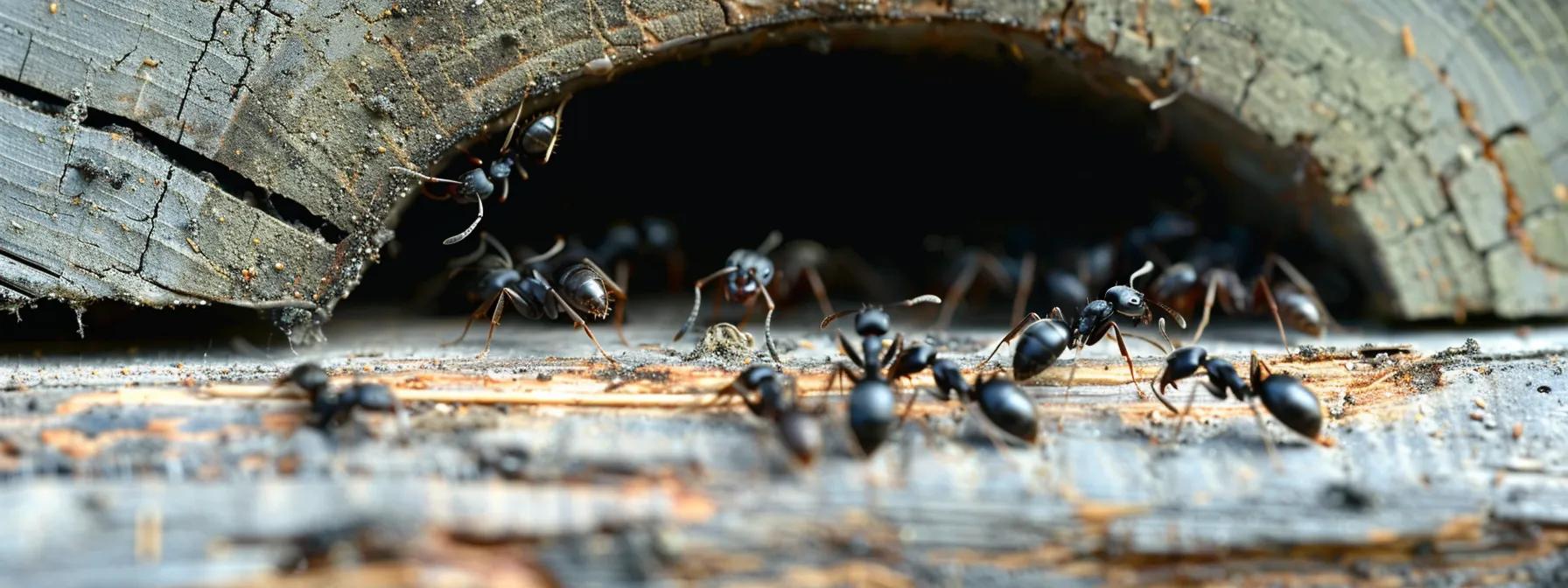
March-April – Carpenter ants, pavement ants, overwintering cluster flies, spiders. Inspect for ant trails, clear winter debris.
April-May – Wasp queens scouting, rodent activity increases, mosquitoes begin breeding. Check eaves for early nests, eliminate standing water.
May-June – Carpenter ant swarmers, wasp nest building accelerates, bed bug season begins. Watch for winged ants, treat wasp nests early while small.
When to Call a Professional
This checklist covers what most Maple Ridge homeowners can handle on their own. But call a professional if you encounter:
- Active ant trails inside the home, especially large black ants (carpenter ants)
- Wasp nests in difficult locations — inside walls, high on the roofline, or near doorways
- Rodent droppings or sounds that suggest an active population, not just a single visitor
- Wildlife damage — torn soffits, disturbed insulation, animal droppings in the attic
- Any pest you can’t confidently identify — proper identification determines the right treatment
Spring is the ideal time for a professional pest inspection. Problems caught early are cheaper and easier to fix than full-blown summer infestations.
Get Ahead of Pest Season
Don’t wait for the ants to show up in June to start thinking about pest prevention. A couple hours with this checklist now — plus a professional inspection if you want extra peace of mind — will set your Maple Ridge home up for a pest-free spring and summer.
Canadian Pest Control offers free spring inspections for homeowners in Maple Ridge, Coquitlam, Port Coquitlam, Pitt Meadows, and the Lower Mainland. Call (778) 598-7378 to book yours — we’re available 24/7.