

The Most Common Entry Points for Pests in Port Coquitlam Homes
Pests can be a significant nuisance for homeowners, especially in regions like Port Coquitlam, where various species thrive. Understanding the most common entry points for these pests is crucial for effective prevention and control. This article will explore the various ways pests infiltrate homes, the specific structural vulnerabilities that facilitate their entry, and practical methods for homeowners to safeguard their properties. By identifying these entry points, residents can take proactive measures to protect their homes from infestations. We will cover common structural entry points, the behaviors of various pest species, and effective pest exclusion methods.
Pest Control Entry Points: Identifying the Most Common Ways Pests Enter Port Coquitlam Homes
Pests often find their way into homes through several common entry points. Identifying these vulnerabilities is the first step in effective pest management.
- Attics: Many pests, including rodents and insects, can access attics through gaps in roofing or vents.
- Windows: Poorly sealed or damaged windows provide easy access for various pests.
- Doors: Gaps around doors, especially those that are not properly weather-stripped, can allow pests to enter.
- Foundations: Cracks and gaps in the foundation can serve as entry points for ground-dwelling pests.
- Ventilation Systems: Unscreened vents can allow pests to enter through the home’s ventilation system.
Regular inspections can help identify these vulnerabilities, and sealing entry points is crucial for prevention.
What Are the Most Frequent Structural Entry Points for Pests in Port Coquitlam Homes?
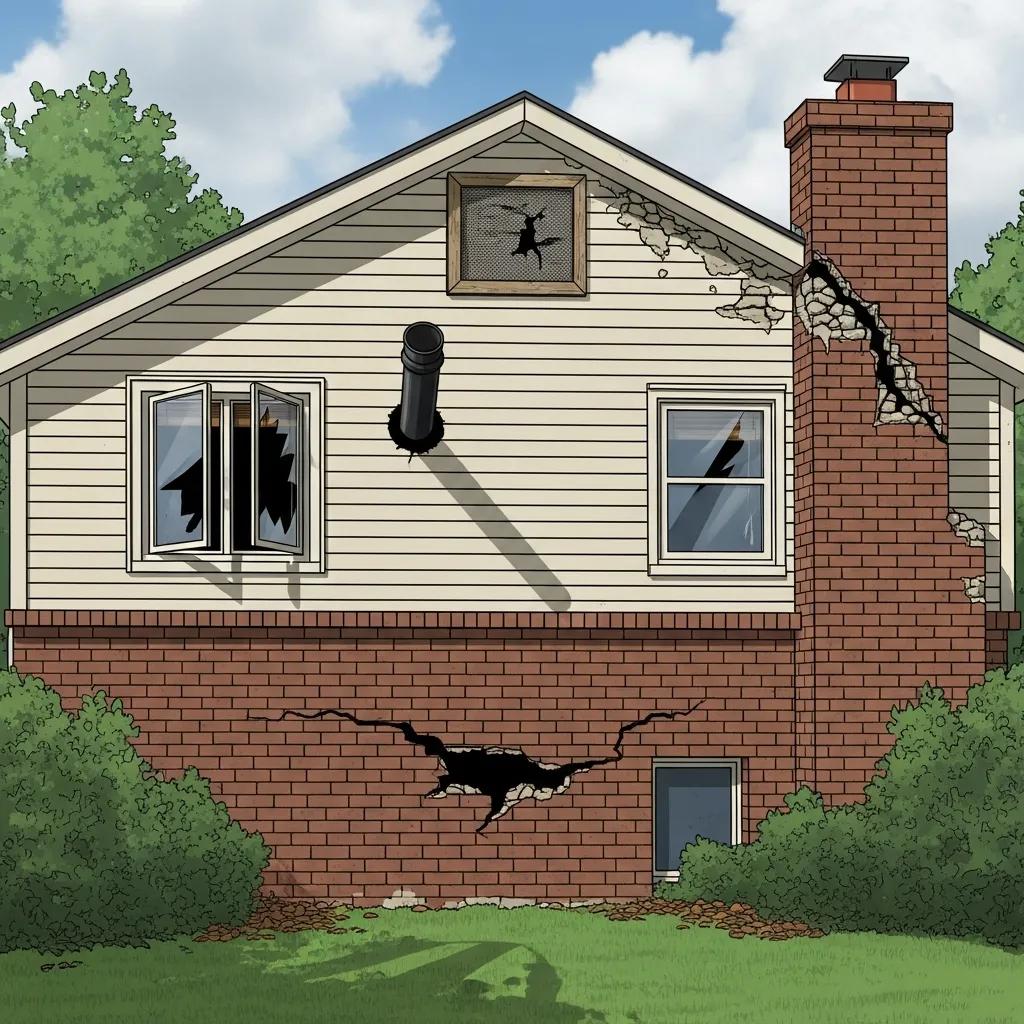
Several structural entry points are particularly common for pests in Port Coquitlam homes. Homeowners should be aware of these areas to effectively manage “pest control”.
- Attics: Gaps in walls and roofing can allow pests to enter.
- Chimneys: Unscreened chimneys can be an inviting entry point for birds and rodents.
- Ventilation Systems: Open vents can provide direct access to the interior of the home.
- Basements: Cracks in the foundation or walls can allow pests to enter from the ground.
- Windows: Damaged or improperly sealed windows are frequent access points.
Regular maintenance and proactive sealing of these entry points are essential for preventing infestations.
How Do Cracks and Gaps in Foundations Facilitate Pest Entry?
Cracks and gaps in foundations serve as pathways for pests, allowing them to infiltrate homes. Even small openings can lead to significant infestations, as many pests can squeeze through surprisingly narrow spaces. Routine inspections of the foundation are necessary to identify and repair these vulnerabilities. Homeowners should be vigilant about sealing any cracks or gaps to prevent pests from entering their homes.
Why Are Windows and Doors Common Access Points for Household Pests?
Windows and doors are common access points for household pests due to gaps and damaged seals. Pests can easily enter through these vulnerabilities, especially if homeowners do not conduct regular inspections. Sealing these areas with weather stripping or caulk can significantly reduce the risk of infestations. Homeowners should also ensure that screens are intact and free from holes to further protect against pest entry.
Which Pest Species Commonly Invade Port Coquitlam Homes Through These Entry Points?
Several pest species are known to invade Port Coquitlam homes through common entry points. Awareness of these species can aid in prevention efforts.
- Rodents: Mice and rats often enter through small gaps in foundations and walls.
- Insects: Ants, cockroaches, and spiders can exploit various entry points, including windows and doors.
- Wildlife: Larger pests, such as raccoons and squirrels, may enter through attics or chimneys.
Understanding the specific entry points that attract these species can help homeowners take targeted action to prevent infestations.
What Are the Typical Behaviors of Rodents and Their Entry Patterns?
Rodents exhibit specific behaviors that influence their entry patterns into homes. They prefer hidden nesting areas and can squeeze through small gaps, making them particularly challenging to control. Rodents are primarily nocturnal, increasing the risk of infestations as they search for food and shelter during the night. Homeowners should be aware of these behaviors to implement effective prevention strategies.
How Do Ants, Spiders, and Cockroaches Exploit Home Vulnerabilities?
Ants, spiders, and cockroaches are adept at exploiting vulnerabilities in homes.
- Ants: They can cause structural damage and are often attracted to food sources.
- Spiders: They thrive in undisturbed areas, making cluttered spaces ideal for their webs.
- Cockroaches: These pests are drawn to unsanitary conditions and can enter through small cracks and crevices.
Understanding how these pests exploit home vulnerabilities can help homeowners take proactive measures to deter them.
Beyond simply deterring pests, a broader strategy known as Integrated Pest Management (IPM) offers a comprehensive approach to managing these common household invaders and mitigating their potential health impacts.
Integrated Pest Management for Urban Homes
Cockroaches and mice, which are common in urban homes, are sources of allergens capable of triggering asthma symptoms. In contrast, integrated pest management (IPM) involves sanitation, building maintenance, and limited use of least toxic pesticides.
Effectiveness of an integrated pest management intervention in controlling cockroaches, mice, and allergens in
New York City public housing, D Kass, 2009
What Effective Pest Exclusion Methods Can Homeowners Use to Prevent Entry?
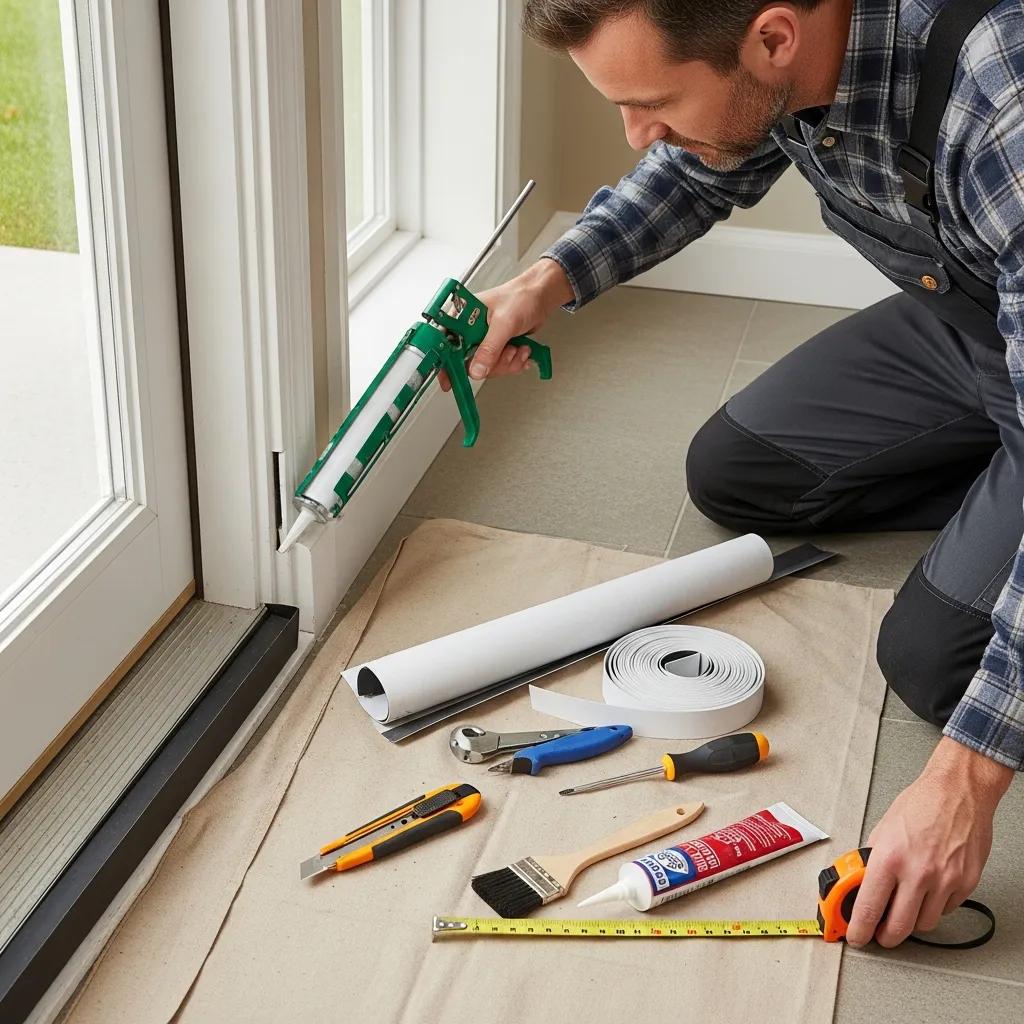
Homeowners can implement several effective pest exclusion methods to prevent entry into their homes.
- Seal Entry Points: Use caulk and weather stripping to seal gaps around windows and doors.
- Maintain Cleanliness: Regular cleaning can deter pests by removing food sources.
- Conduct Regular Inspections: Routine checks can help identify and address vulnerabilities before they become significant issues.
By employing these methods, homeowners can significantly reduce the risk of pest infestations.
These practical steps are fundamental to an Integrated Pest Management (IPM) strategy, which emphasizes non-chemical interventions to create a pest-resistant environment.
IPM: Sealing Cracks for Pest Prevention
Integrated pest management (IPM) relies on nonchemical tools–cleaning of food residues, removal of potential nutrients, and sealing cracks and crevices. Least toxic pesticides are used sparingly.
Integrated pest management in an urban community: a successful partnership for prevention, M Rivera, 2003
| Exclusion Method | Description | Effectiveness |
|---|---|---|
| Seal Entry Points | Use caulk and weather stripping to close gaps | High |
| Maintain Cleanliness | Regular cleaning to remove food sources | High |
| Conduct Inspections | Routine checks for vulnerabilities | Medium |
These exclusion methods are essential for maintaining a pest-free environment in Port Coquitlam homes.
Which Home Sealing Techniques Are Recommended for Blocking Pest Access?
Several home sealing techniques are recommended for blocking pest access effectively.
- Steel Wool: Fill gaps with steel wool to prevent rodent entry.
- Door Sweeps: Install door sweeps to close gaps at the bottom of doors.
- Weather Stripping: Apply weather stripping around windows and doors to seal openings.
Implementing these techniques can significantly enhance a home’s defenses against pests.
When Should You Schedule Professional Pest Control Services for Exclusion?
Scheduling professional pest control services is advisable during specific times of the year.
- Spring and Fall: These seasons are ideal for preventative treatments as pests become more active.
- After Identifying Infestations: If pests are already present, immediate professional intervention is necessary.
- Regular Treatments: Ongoing treatments can help prevent future infestations.
Professional pest control services can provide tailored solutions to address specific pest challenges.
How Can Port Coquitlam Residents Identify and Address Seasonal Pest Entry Patterns?
Port Coquitlam residents can identify and address seasonal pest entry patterns through regular inspections and monitoring.
- Conduct Inspections: Regular checks can help identify vulnerabilities that may change with the seasons.
- Monitor Seasonal Patterns: Understanding when specific pests are most active can inform prevention strategies.
- Engage Local Pest Control Services: Local experts can provide insights into seasonal pest challenges and effective solutions.
By staying vigilant and proactive, residents can effectively manage seasonal pest entry patterns.
What Seasonal Changes Increase Pest Activity and Entry Risks?
Seasonal changes significantly impact pest activity and entry risks.
- Warmer Months: Increased temperatures lead to higher pest activity as they seek food and shelter.
- Cooler Months: As temperatures drop, rodents often seek refuge indoors, increasing entry risks.
- Moisture Levels: High moisture levels can attract various pests, making homes more vulnerable.
Understanding these seasonal changes can help homeowners prepare for potential pest challenges.
How Do Local Pest Control Experts Adapt Strategies for Seasonal Variations?
Local pest control experts adapt their strategies based on seasonal variations to effectively manage pest populations.
- Analyzing Seasonal Patterns: Experts study pest behavior and activity levels throughout the year.
- Proactive Treatments: Implementing treatments before peak activity periods can prevent infestations.
- Regular Evaluations: Ongoing assessments help adjust strategies to meet changing pest dynamics.
By leveraging local expertise, homeowners can enhance their pest management efforts throughout the year.