
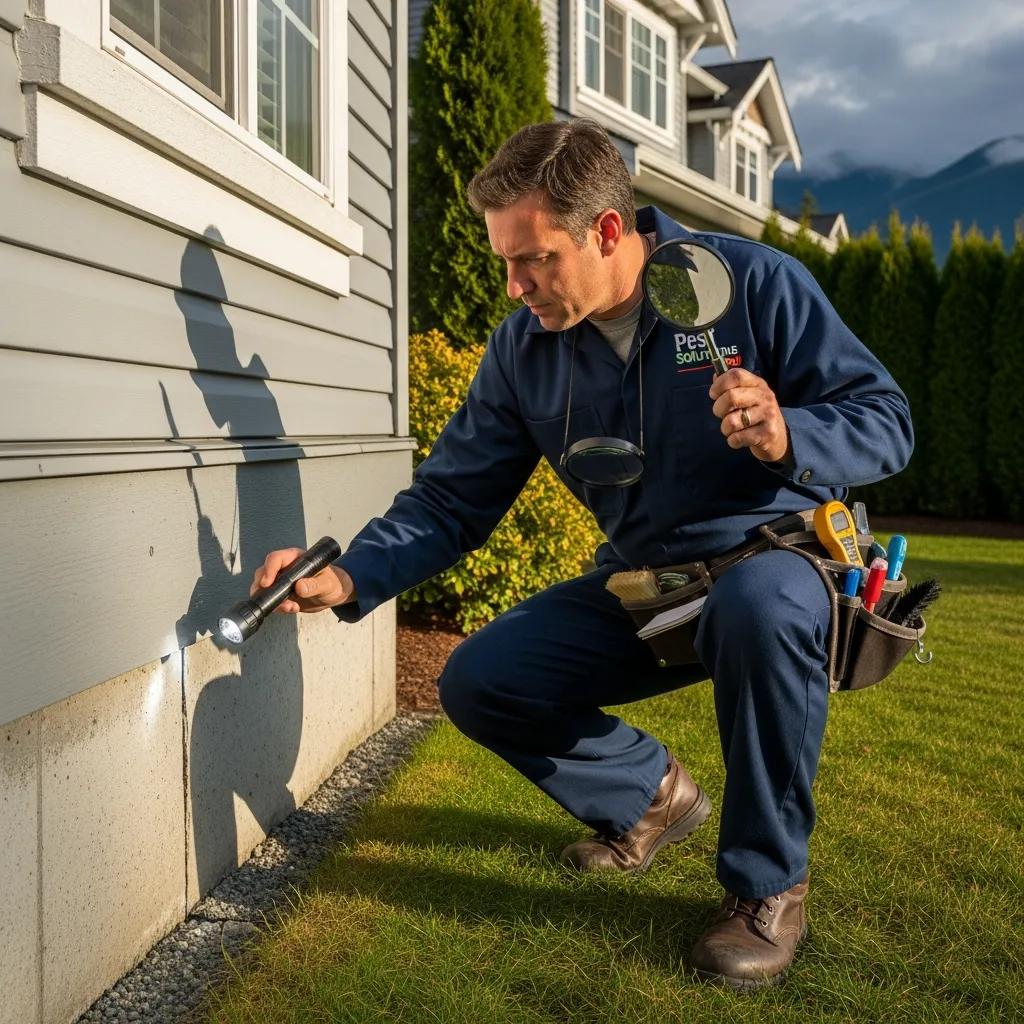
Why a Pre-Purchase Pest Inspection is Essential When Buying a Home in Mission BC
Purchasing a home is one of the most significant investments many individuals will make in their lifetime. However, hidden issues such as pest infestations can lead to costly repairs and safety concerns. A pre-purchase pest inspection is a crucial step in the home buying process, particularly in areas like Mission, BC, where certain pests are prevalent. This article will explore the importance of these inspections, what they entail, and how they can influence your home buying decisions. By understanding the risks associated with pests and the benefits of early detection, homebuyers can make informed choices that protect their investment.
Indeed, the importance of thorough pre-purchase inspections is a widely recognized aspect of real estate, often highlighting the buyer’s responsibility to uncover potential issues.
Buyer’s Duty: Pre-Purchase Inspections & Concealed Defects
The decided cases illustrate that buyers are still indolent in their duty to conduct pre-purchase inspections, some vendors were seen to have actively concealed defects in the property and fraudulently misrepresented the conditions of the properties. This paper suggests consumer education for both the vendors and purchasers and the extension of the jurisdiction of either the Tribunal for Homebuyers Claims or the Tribunal for Consumer Claims to include matters regarding the dispute as to the condition of the property.
Home buyers’ and vendors’ behaviours: analysis of judicial decisions, NC Abdullah, 2017
What Does a Pre-Purchase Pest Inspection in Mission BC Include?
A pre-purchase pest inspection in Mission BC typically includes a thorough examination of the property for signs of pest activity. This process involves several key steps:
- Initial Consultation: The inspector discusses the property with the buyer, understanding any specific concerns or areas of focus.
- Visual Inspection: A detailed visual inspection of the interior and exterior of the home is conducted, looking for signs of pests such as droppings, nests, or damage.
- Report Preparation: After the inspection, a comprehensive report is prepared, detailing findings and recommendations.
This inspection is essential for identifying potential pest issues before finalizing a home purchase, ensuring that buyers are fully informed about the property’s condition.
Which Common Pests Are Inspected in Mission Homes?

In Mission, several common pests can pose risks to homeowners. These include:
- Rodents: Norway rats and house mice are prevalent and can cause significant damage to structures and wiring.
- Insects: Ants, termites, and carpenter bees are frequently found in homes, with termites being particularly destructive.
- Health Risks: Many pests can carry diseases, making their presence a health concern for residents.
Understanding which pests are common in the area helps buyers recognize the importance of a thorough inspection.
How Are Inspection Reports Structured to Inform Buyers?
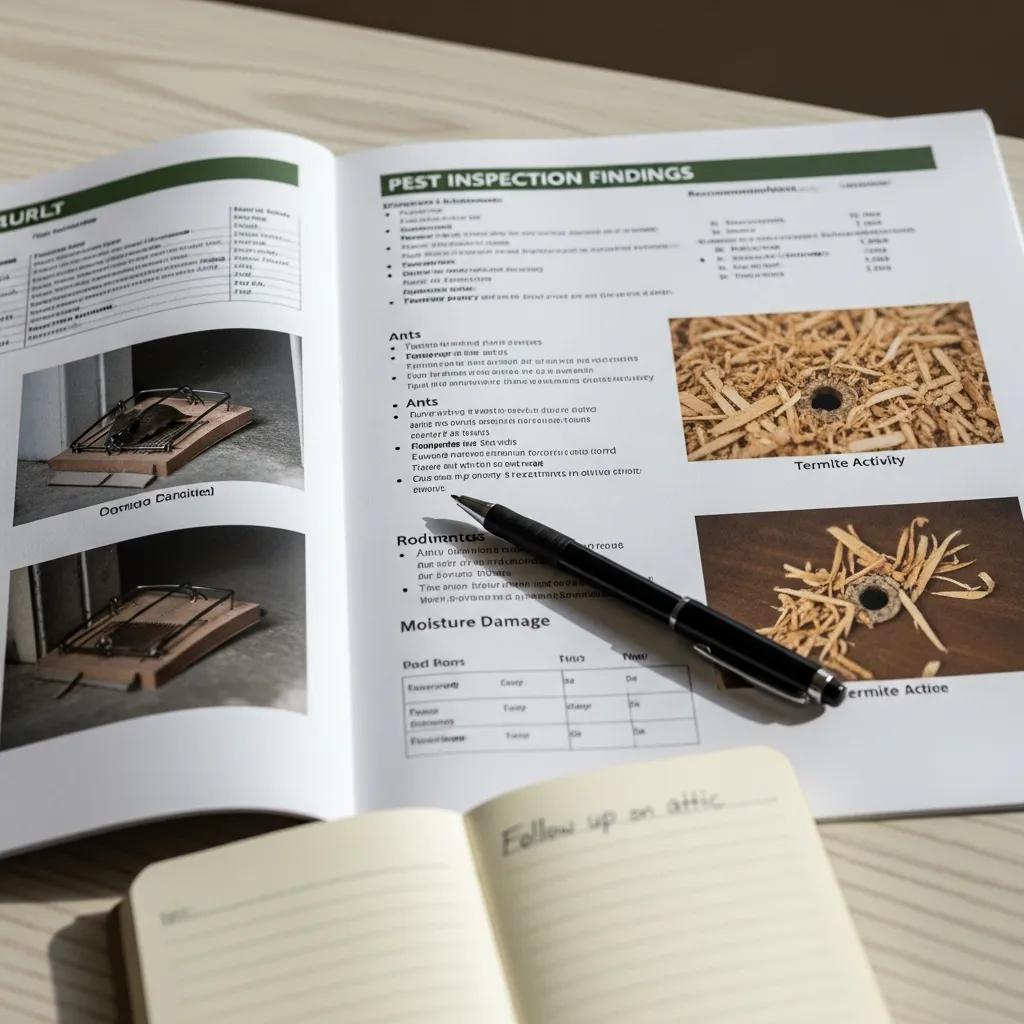
Inspection reports are structured to provide clear and actionable information to buyers. Key components of these reports include:
- Detailed Findings: A summary of any pest activity or damage observed during the inspection.
- Photographs and Diagrams: Visual aids that help illustrate the issues found, making it easier for buyers to understand the severity of the situation.
- Recommendations for Action: Suggestions for pest control measures or further evaluations needed to address any identified issues.
These reports serve as a vital tool for buyers to assess the condition of the property and make informed decisions.
What Are the Risks of Termites and Wood-Destroying Insects in Mission BC Homes?
Termites and wood-destroying insects pose significant risks to homes in Mission BC. The primary concerns include:
- Structural Damage: These pests can compromise the integrity of wooden structures, leading to costly repairs.
- Costly Repairs: The financial burden of repairing termite damage can be substantial, often running into thousands of dollars.
- Health Hazards: In addition to structural concerns, some pests can contribute to health issues, such as allergies or respiratory problems.
Awareness of these risks underscores the necessity of a pre-purchase pest inspection.
The financial implications of termite damage are not to be underestimated, with global estimates running into billions annually.
Economic Cost of Termite Damage in Residential Buildings
Globally, the annual economic cost of termite damage and termite prevention in the housing sector is estimated in the billions. However, in sub-Saharan countries in Africa data on damage and cost of termite-related maintenance are scarce. This study was designed to investigate termite damage to public and residential buildings, quantify the financial cost of termite-related building maintenance with the intent of building the capacity of home owners to deploy cost-effective prevention and control measures in Benue state, Nigeria.
Termite Damage to Buildings in Benue State, Nigeria: Termite Diversity and Nature of Attacks, Economic Cost of Maintenance and Residents’ Perception and …, EA Omudu, 2025
How Do Termites Cause Damage to Residential Properties?
Termites cause damage by feeding on wood and other cellulose materials found in homes. Their destructive behavior includes:
- Chewing Through Wood: Termites consume wood from the inside out, often leaving little visible damage until significant structural issues arise.
- Creating Tunnels: They build intricate tunnel systems within wooden structures, which can weaken the material over time.
- Signs of Termite Damage: Homeowners may notice mud tubes, hollow-sounding wood, or discarded wings, indicating an infestation.
Understanding how termites operate highlights the importance of early detection through inspections.
For homeowners, scheduling a pest inspection can prevent extensive damage and costly repairs. Canadian Pest Control offers professional pest management services, including comprehensive inspections tailored to the needs of homebuyers.
Why Is Early Detection of Wood-Destroying Insects Critical?
Early detection of wood-destroying insects is crucial for several reasons:
- Prevention of Structural Damage: Identifying infestations early can prevent extensive damage to the home.
- Cost Savings: Addressing pest issues promptly can save homeowners significant repair costs in the long run.
- Health Risks Mitigation: Early intervention can reduce the risk of health issues associated with pest infestations.
By prioritizing early detection, homebuyers can protect their investment and ensure a safe living environment.
How Does a Pest Inspection Affect Home Buying Decisions and Negotiations?
A pest inspection can significantly influence home buying decisions and negotiations. Key impacts include:
- Influence on Perceived Value: Findings from the inspection can affect how buyers perceive the value of the property.
- Negotiation Leverage: Buyers may use inspection results to negotiate repairs or price reductions with sellers.
- Peace of Mind for Buyers: Knowing the pest status of a property can provide reassurance and confidence in the purchase decision.
Understanding these dynamics can empower buyers during the negotiation process.
Can Pest Inspection Findings Influence Purchase Price or Terms?
Yes, pest inspection findings can directly influence the purchase price or terms of a sale. Considerations include:
- Negotiating Lower Prices: If significant pest issues are found, buyers may negotiate a lower purchase price to account for necessary repairs.
- Proof of Pest Inspections: Buyers can request proof of pest inspections as part of the sale agreement, ensuring transparency.
- Impact on Sale Terms: Sellers may need to address pest issues before closing, affecting the overall terms of the sale.
These factors highlight the importance of pest inspections in real estate transactions.
What Are the Benefits of Knowing Pest Status Before Closing?
Knowing the pest status of a property before closing offers several benefits:
- Early Detection of Infestations: Buyers can address any pest issues before finalizing the purchase.
- Cost Savings: Identifying problems early can prevent costly repairs down the line.
- Peace of Mind: Understanding the pest status can provide buyers with confidence in their investment.
These benefits reinforce the value of conducting a pre-purchase pest inspection.
How Can Homebuyers Schedule a Reliable Pre-Purchase Pest Inspection in Mission BC?
Homebuyers can schedule a reliable pre-purchase pest inspection by following these steps:
- Contact Local Pest Control Experts: Reach out to reputable pest control companies in the area.
- Request a Consultation: Discuss your specific needs and concerns with the inspector.
- Schedule the Inspection: Set a date for the inspection that aligns with your home buying timeline.
Canadian Pest Control offers expert pest inspection services tailored to the needs of homebuyers in Mission BC.
Why Choose Licensed Inspectors from Canadian Pest Control?
Choosing licensed inspectors from Canadian Pest Control provides several advantages:
- Expertise and Training: Licensed inspectors have the necessary training and experience to identify pest issues accurately.
- Reliable Assessments: Professional inspections ensure thorough evaluations of the property.
- Safety for Families and Pets: Licensed inspectors follow safety protocols to protect the health of residents and pets during inspections.
These factors make Canadian Pest Control a trusted choice for pest management services.
What Are the Typical Costs and Scheduling Options for Inspections?
The costs and scheduling options for pest inspections can vary based on several factors:
- Cost Range for Inspections: Typical pest inspection costs range from $100 to $300, depending on the property’s size and complexity.
- Recommended Frequency: It is advisable to conduct pest inspections annually or before purchasing a new home.
- Follow-Up Checks: If pests are found, follow-up inspections may be necessary to ensure the effectiveness of treatment.
Understanding these aspects can help homebuyers budget for pest inspections effectively.