
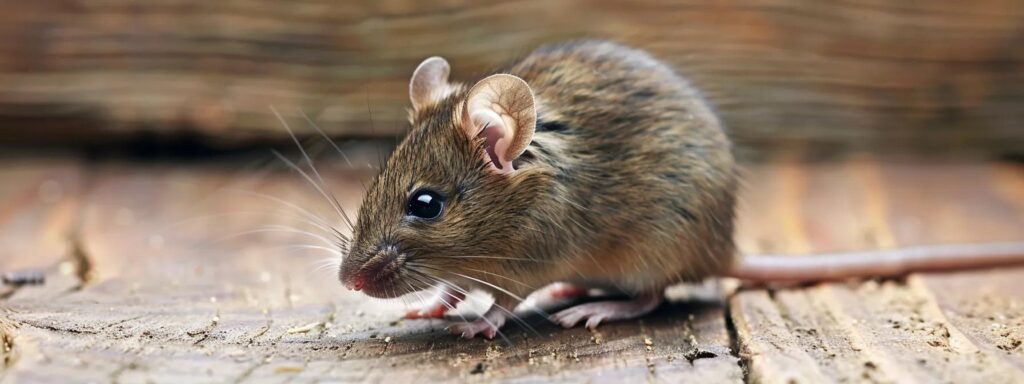
Hearing Scratching in Your Walls? It Could Be Rodents. What Vancouver Residents Need to Know.
Hearing scratching noises in your walls can be alarming, and it often indicates the presence of rodents. Understanding the signs of rodent activity is crucial for Vancouver residents, as early detection can prevent significant damage and health risks. This article will explore how to identify rodent infestations, the common species found in Vancouver, the health risks associated with these pests, and effective extermination and prevention strategies. By the end, you will have a comprehensive understanding of how to address rodent issues in your home.
How Can You Identify Signs of Rodents in Your Walls in Vancouver?
Identifying signs of rodents in your walls is essential for timely intervention. Common indicators include droppings, gnaw marks, and, notably, scratching noises. These signs suggest that rodents are not only present but may also be nesting within your walls. Early detection is vital to mitigate potential damage and health risks associated with rodent infestations.
What Are the Common Symptoms of Rodent Infestation in Walls?
Common symptoms of rodent infestation in walls include:
- Droppings and Urine: Small, dark droppings are often found near food sources or nesting areas.
- Scratching Noises: These sounds are typically heard at night when rodents are most active.
- Nesting Materials: Shredded paper, fabric, or insulation can indicate nesting sites.
Recognizing these symptoms early can help you take action before the infestation worsens.
How Do Scratching Noises Indicate Rodent Activity?
Scratching noises in your walls are a clear sign of rodent activity. These sounds often occur when rodents are moving around, gnawing on materials, or building nests. The type of scratching noise can vary depending on the size of the rodent; for instance, mice may produce lighter scratching sounds compared to the heavier noises made by rats. Being aware of when these noises are most noticeable can help you determine the extent of the infestation and the appropriate response.
Which Rodent Species Are Commonly Found in Vancouver Walls?
Vancouver is home to several rodent species, with the most common being house mice and Norway rats. Understanding their behaviors and habitats can aid in effective control measures.
What Are the Behaviors and Habitats of Vancouver’s Mice and Rats?
House mice typically prefer to nest in warm, sheltered areas close to food sources, while Norway rats are often found in basements and sewers. Both species are nocturnal and can reproduce rapidly, leading to significant infestations if not addressed promptly. Their nesting habits and feeding preferences make them particularly challenging to control.
Further research delves into the specific urban environmental factors that influence Norway rat populations within Vancouver.
Vancouver Norway Rat Abundance & Urban Factors
Urban rats (Rattusspp.) are among the most ubiquitous pest species in the world. Previous research has shown that rat abundance is largely determined by features of the environment; however, the specific urban environmental factors that influence rat population density within cities have yet to be clearly identified. Additionally, there are no well described tools or methodologies for conducting an in-depth evaluation of the relationship between urban rat abundance and the environment. In this study, we developed a systematic environmental observation tool using methods borrowed from the field of systematic social observation. This tool, which employed a combination of quantitative and qualitative methodologies, was then used to identify environmental factors associated with the relative abundance of Norway rats (Rattus norvegicus) in an inner-city neighborhood of Vancouver, Canada.
… Exploring the Relationship between Norway Rat (Rattus norvegicus) Abundance and Features of the Urban Environment in an Inner-City Neighborhood of Vancouver …, CG Himsworth, 2014
How Do Seasonal Trends Affect Rodent Activity in Vancouver?
Seasonal trends significantly impact rodent activity in Vancouver. During colder months, rodents seek shelter indoors, leading to increased sightings and infestations. Additionally, breeding cycles in spring can result in a surge of young rodents, further complicating control efforts. Understanding these patterns can help homeowners anticipate and mitigate potential infestations.
What Are the Health Risks Associated with Rodent Infestations in Walls?
Rodent infestations pose serious health risks to residents. They can transmit various diseases and cause significant property damage.
How Can Rodent Droppings and Damage Impact Your Home’s Safety?
Rodent droppings can harbor harmful pathogens, leading to health issues such as allergies and respiratory problems. Additionally, the structural damage caused by gnawing can compromise the integrity of your home, necessitating costly repairs. Addressing rodent infestations promptly is crucial for maintaining a safe living environment.
What Diseases Can Rodents Transmit to Vancouver Residents?
Rodents are known carriers of several diseases, including:
- Hantavirus: Transmitted through contact with rodent droppings, urine, or saliva, it can cause severe respiratory issues.
- Leptospirosis: This bacterial infection can lead to flu-like symptoms and, in severe cases, liver damage.
- Salmonella: Often spread through contaminated food, it can cause gastrointestinal distress.
Understanding these risks emphasizes the importance of effective rodent control measures.
Specifically, studies have focused on understanding the ecology of Leptospira interrogans in Norway rats within Vancouver’s inner-city neighborhoods.
Leptospirosis Risk in Vancouver Norway Rats
Leptospira interrogansis a bacterial zoonosis with a worldwide distribution for which rats (Rattusspp.) are the primary reservoir in urban settings. In order to assess, monitor, and mitigate the risk to humans, it is important to understand the ecology of this pathogen in rats. The objective of this study was to characterize the ecology ofL. interrogansin Norway rats (Rattus norvegicus) in an impoverished inner-city neighborhood of Vancouver, Canada.
Ecology of Leptospira interrogans in Norway Rats (Rattus norvegicus) in an Inner-City Neighborhood of Vancouver,
Canada, CG Himsworth, 2013
How Do Professional Rodent Extermination Services in Vancouver Work?
Professional rodent extermination services in Vancouver follow a systematic approach to eliminate infestations. These services typically include thorough inspections, targeted treatments, and preventive measures to ensure long-term control.
What Does a Typical Rodent Inspection and Treatment Include?
A typical rodent inspection involves assessing the property for signs of infestation, identifying entry points, and evaluating potential nesting sites. Treatment options may include traps, bait stations, and exclusion techniques to prevent future access. Cost considerations vary based on the extent of the infestation and the methods used.
How Can Local Pest Control Experts Prevent Future Infestations?
Local pest control experts employ various strategies to prevent future infestations, including:
- Exclusion Techniques: Sealing entry points to prevent rodents from accessing your home.
- Ongoing Monitoring: Regular inspections to catch potential issues early.
- Community Resources: Providing education on rodent prevention and control measures.
These proactive steps are essential for maintaining a rodent-free environment.
What DIY Rodent Prevention and Proofing Tips Can Vancouver Homeowners Use?
Homeowners can take several DIY steps to prevent rodent infestations. Implementing these strategies can significantly reduce the likelihood of rodents entering your home.
Which Home Repairs Help Stop Rodents from Entering Walls?
Effective home repairs include:
- Sealing Entry Points: Use caulk or steel wool to close gaps around pipes, vents, and other openings.
- Repairing Holes: Fix any holes in walls or foundations to eliminate potential nesting sites.
- Maintaining Landscaping: Keep shrubs and trees trimmed away from the house to reduce access points.
These repairs can create a less inviting environment for rodents.
What Are Effective DIY Trapping and Exclusion Methods?
Effective DIY trapping and exclusion methods include:
- Using Snap Traps: Place traps in areas where rodent activity is suspected.
- Employing Glue Traps: These can capture rodents without the need for bait.
- Implementing Exclusion Techniques: Regularly inspect and maintain your home to prevent re-entry.
By employing these methods, homeowners can take an active role in rodent prevention.
How Can You Repair Rodent Damage in Your Vancouver Walls?
Repairing damage caused by rodents is crucial for maintaining the integrity of your home. Understanding the best practices for repair can help you restore your walls effectively.
What Are the Best Practices for Wall Damage Repair After Rodent Removal?
Best practices for wall damage repair include:
- Assessing Damage: Determine the extent of the damage before beginning repairs.
- Using Appropriate Materials: Choose materials that match the existing structure for a seamless repair.
- Finishing Touches: Ensure that any repairs are painted or finished to blend with the surrounding area.
These steps will help restore your walls to their original condition.
When Should You Hire Professionals for Rodent Damage Restoration?
Hiring professionals for rodent damage restoration is advisable when:
- Extent of Damage: If the damage is extensive or structural, professional help is necessary.
- Complexity of Repairs: Complicated repairs may require specialized skills or tools.
- Time Considerations: If you need repairs completed quickly, professionals can expedite the process.
Understanding when to seek professional assistance can save time and ensure quality repairs.